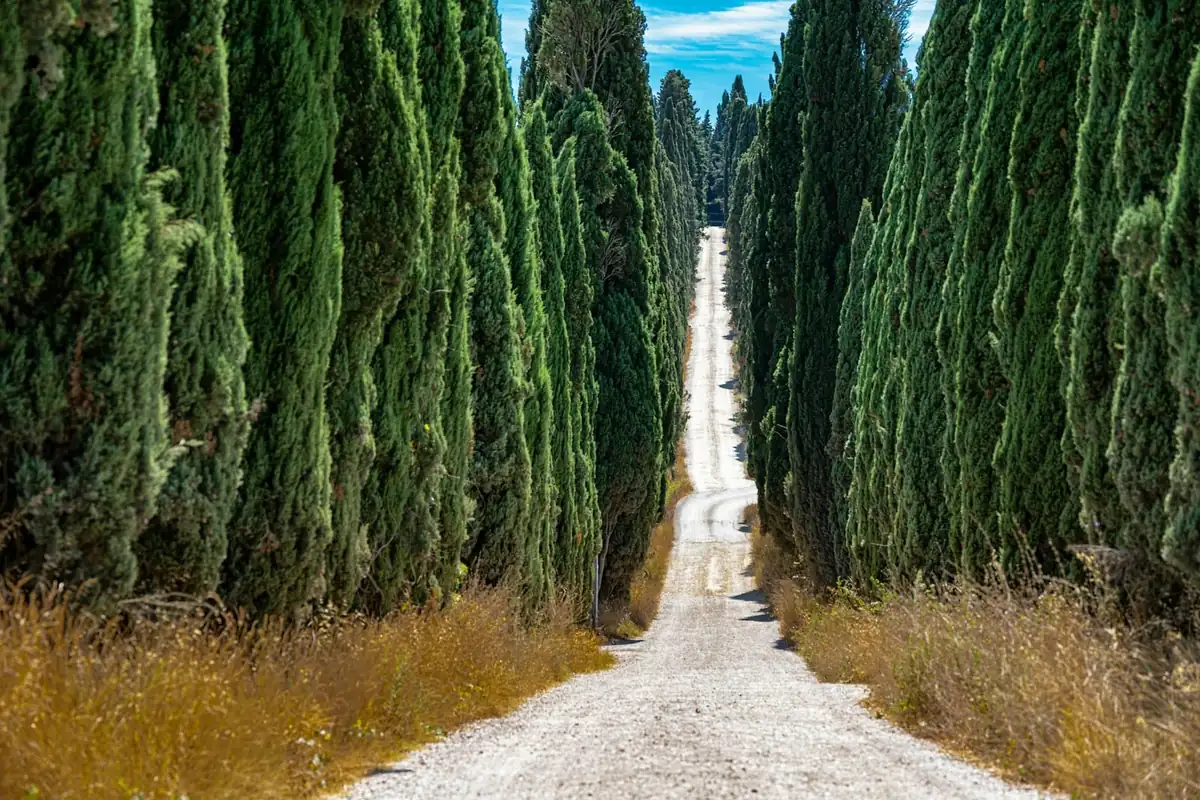
Training for South Africa: Preparing for Back-to-Back 100 km Days
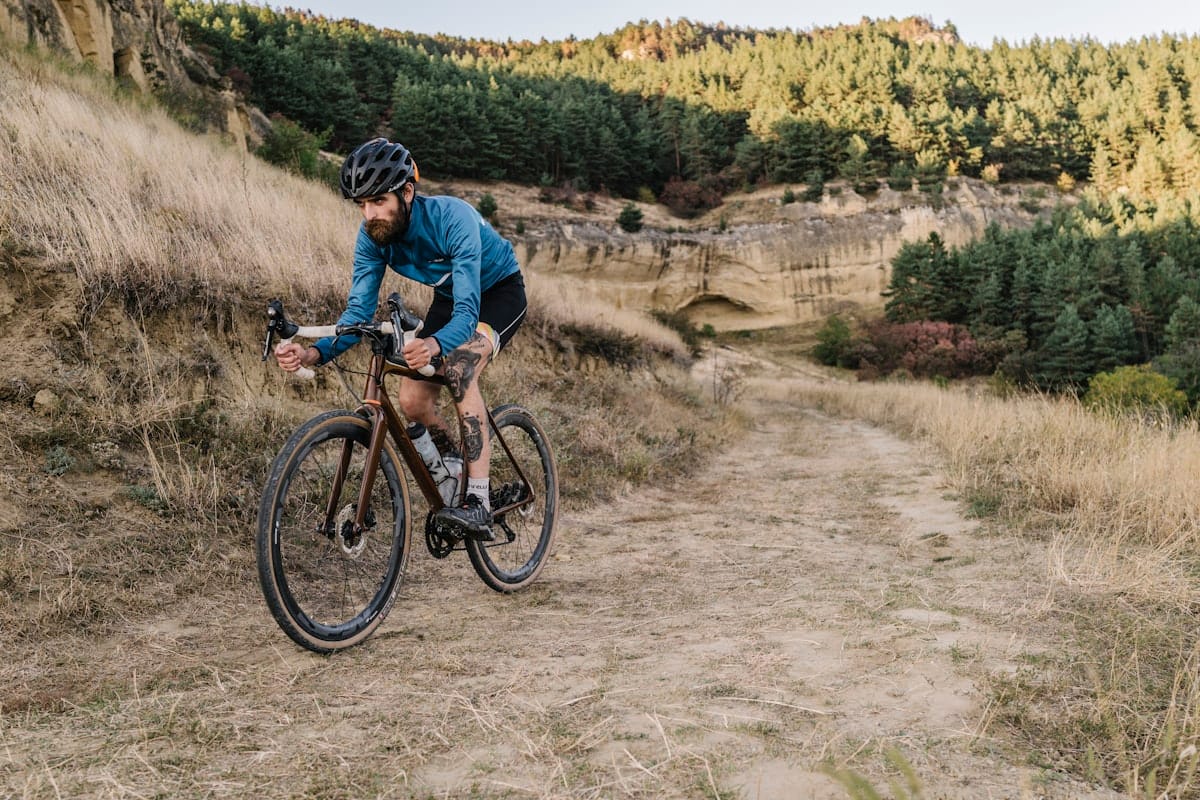
The Swartberg is the day everyone trains for. Nearly a thousand metres of climbing over fifteen kilometres, up to 15%, on a Victorian gravel road that has never been surfaced — it is the photograph on the front of the trip, and riders arrive having prepared for it specifically.
It is not the day that catches people out. The day that catches people out is the one after it: Calitzdorp to Riversdale, the longest and hardest stage of the week, with the Rooiberg’s twelve kilometres of corrugated gravel over 10% and then Garcia’s Pass, at 100 kilometres on the Adventure route or 115 on the Explorer. And after that, another 90 to 101 kilometres along the Langeberg range the following morning.
That is the real shape of South Africa Gravel: not one enormous climb, but seven riding stages in nine days on rough ground, most of them long. Training for it is a different exercise from training for an alpine week, and the difference is worth getting right.
What the week actually asks
Nine days, eight hotel nights, seven riding stages, a rest day in Swellendam, and 480 to 660 kilometres depending on which option you take each morning. Total climbing is 5,500 to 8,000 metres — substantial, but not the headline. Up to 84% of it is gravel.
Stage by stage, the two route options:
- Paarl Mountain intro — 30 km / 600 m, or 50 km / 900 m
- Prince Albert to Calitzdorp, the Swartberg — 80 km / 1,200 m, or 86 km / 1,460 m
- Calitzdorp to Riversdale, the Rooiberg and Garcia’s — 100 km / 1,300 m, or 115 km / 1,510 m
- Riversdale to Swellendam, the Langeberg — 90 km / 1,200 m, or 101 km / 1,430 m
- Rest day, Swellendam
- Swellendam to Greyton, Stormvlei — 90 km / 600 m, or 101 km / 680 m
- Greyton to Franschhoek, the Franschhoek Pass — 80 km / 800 m, or 92 km / 930 m
Read that list as a whole rather than picking out the biggest number. Four consecutive stages of 80 to 115 kilometres before the rest day, then two more after it. The Alps ask you for a very hard Thursday. South Africa asks you for the same solid day, six times.
Three qualities to build
1. Durability, not peak power
The limiting quality here is the ability to produce a moderate effort for five to seven hours and then do it again tomorrow. That is an aerobic base and a fuelling habit, not a threshold number.
Practically: grow your long ride toward five hours over the first eight weeks of a build, at an effort you could hold a conversation through. If you finish those rides feeling you have been racing, you have been training the wrong thing.
2. Consecutive days, and then a third
This is the one that decides the week, and it is where South Africa differs most from our other routes. Seven stages is the highest count on our programme outside the eleven-day Trans Pyrenees.
From about week four, follow every long ride with a medium ride the next day. From mid-build, add a third day. Six to eight weeks out, ride three consecutive days with real distance in each — long, medium, long — and do that twice.
A rider with ten weeks of back-to-back days will have a better week than a rider with twenty weeks of long Saturdays. Our general training guide makes the same argument at greater length, and it is the single most transferable idea we have about multi-day riding.
3. Surface tolerance
The quality nobody trains and everybody needs.
Corrugated gravel is not a fitness problem. It is a problem of hands, forearms, neck, shoulders and lower back absorbing vibration for hours, and it accumulates across a week rather than within a day. Riders whose training is entirely on tarmac and smooth cycle paths arrive with the legs for the route and no tolerance for the road surface, and it is usually the thing that ends their good days.
The fix is unglamorous: find the roughest gravel you can reach and ride it deliberately, on the tyres and pressures you will travel with. Widen out — 38 mm is our floor and wider is genuinely better here — and run a little softer than instinct says. Our guide to gravel bike tyres for touring covers the trade-offs, and the Western Cape packing guide covers the thorn problem, which is the other reason to run tubeless.
Gearing is still a training decision
Even on a route decided by distance, get this right early. A low gear of around 0.9 — roughly a 34-tooth chainring with a 36-tooth sprocket, or lower.
The Swartberg and the Rooiberg both ask for it, and the Rooiberg asks on corrugation at over 10%, where losing traction at low cadence is a real possibility rather than a theoretical one. Fit it in February and train on it, so that the pass is an aerobic effort rather than a series of strength efforts you have never rehearsed.
The heat, honestly
November and December are early summer in the Western Cape — warm days, cooler evenings up in the hills. The late-February departure sits at the other end of summer and runs hotter on the Karoo stages.
Heat does not mainly cost you watts. It costs you appetite, sleep quality and the willingness to drink enough, and those three compound across seven stages into something that reads as fatigue. The training answer is to rehearse fuelling and hydration in the warmest conditions you can find at home, and to arrive knowing what you can actually eat when it is hot.
The van meets the group at lunch on most riding days with a free refill of PurePower energy powder, and bars and chews are available to buy — but what you eat on the bike between those stops is your own system, and it needs testing before you fly.
A sixteen-week shape
Weeks 1–4. Consistent volume, mostly steady. Build the long ride toward four hours. Fit your tour gearing and tyres now.
Weeks 5–8. Add the second day every weekend. One rough-surface ride midweek. Long ride toward five hours.
Weeks 9–12. Specificity. Long rides on gravel, on the bike you will travel with. Two peak weekends of three consecutive riding days. Rehearse in-stage eating properly.
Weeks 13–14. Consolidate rather than add. Anything that is going to hurt will announce itself here, with time to deal with it.
Weeks 15–16. Taper. Volume down by roughly half, some intensity retained. Travel rested.
Add one more consideration that does not apply to our European routes: the flight and the hemisphere. You land in Cape Town after a long-haul journey, the shuttle brings everyone to Paarl by midday, and nothing is asked of you until the welcome meeting at five. That gap is deliberate. Use it — and if your flight allows, take an extra night at Laborie beforehand.
How the tour helps you
The daily route choice is the main lever, and using it is tactics rather than concession. Taking the Adventure option the day before the Rooiberg is a legitimate strategy. So is taking it the day after.
The rest day in Swellendam sits deliberately after the Swartberg and the Rooiberg have both been and gone — two nights in the same hotel, a pool, a gin bar, cafés within walking distance, an easy MTB trail or a 90 km gravel loop for people who cannot sit still, and a massage for people who can. Our piece on the farms and small towns along the route covers what those two nights are actually like.
And the support vehicle is on the route every riding day with spares, a spare bike and the clothing bag. Getting in it for the last stretch of a stage is an ordinary event. Details on how it works and the daily options on the levels page.
The short version
Train the second and third day, not the biggest one. Grow the long ride to five hours and make it dull. Ride rough ground on your tour tyres until vibration stops being interesting. Fit a 0.9 low gear in winter. Rehearse eating in the heat.
Do that and the Swartberg is a good morning rather than a crisis — and more importantly, so is the Rooiberg the day after it, which is the one that actually decides your week.
Questions riders ask
How long are the days on the South Africa Gravel tour?
Seven riding stages across nine days, 480 to 660 km in total. On the Adventure route the longer stages run 80 to 100 km; on the Explorer route they run 86 to 115 km, with the Calitzdorp to Riversdale day the longest at 115 km and 1,510 m. You choose which option you ride at breakfast each morning, not when you book.
Is this harder than the Alps week?
Differently hard. Trans Alp climbs more densely — 8,000 to 10,500 m across five stages against South Africa's 5,500 to 8,000 m across seven. But South Africa has two more riding days, a rougher surface throughout, and a long-haul flight and hemisphere change on top. Train the Alps for climbing and South Africa for durability.
What makes the surface so demanding?
Corrugation, mostly. The Rooiberg Pass gives you 12 km of corrugated gravel at over 10%, and up to 84% of the route is unpaved. Vibration over seven stages is cumulative and it lands on hands, neck and lower back rather than legs. It is the thing that most often limits riders here, and it is trainable.
Can I train for this if I live somewhere flat?
Better than you might think — this route is decided more by distance and surface than by climbing. Build the long rides and the consecutive days, and find rough ground rather than hills. The two passes are real, but the week is won on the days either side of them.
How much should I worry about the heat?
Enough to prepare, not enough to fear it. November and December are early summer in the Western Cape and the late-February departure runs hotter still. Heat mainly costs you appetite and sleep rather than power. Rehearsing your fuelling and hydration in the warmest conditions you can find at home is the practical answer.
Planning a gravel week of your own?