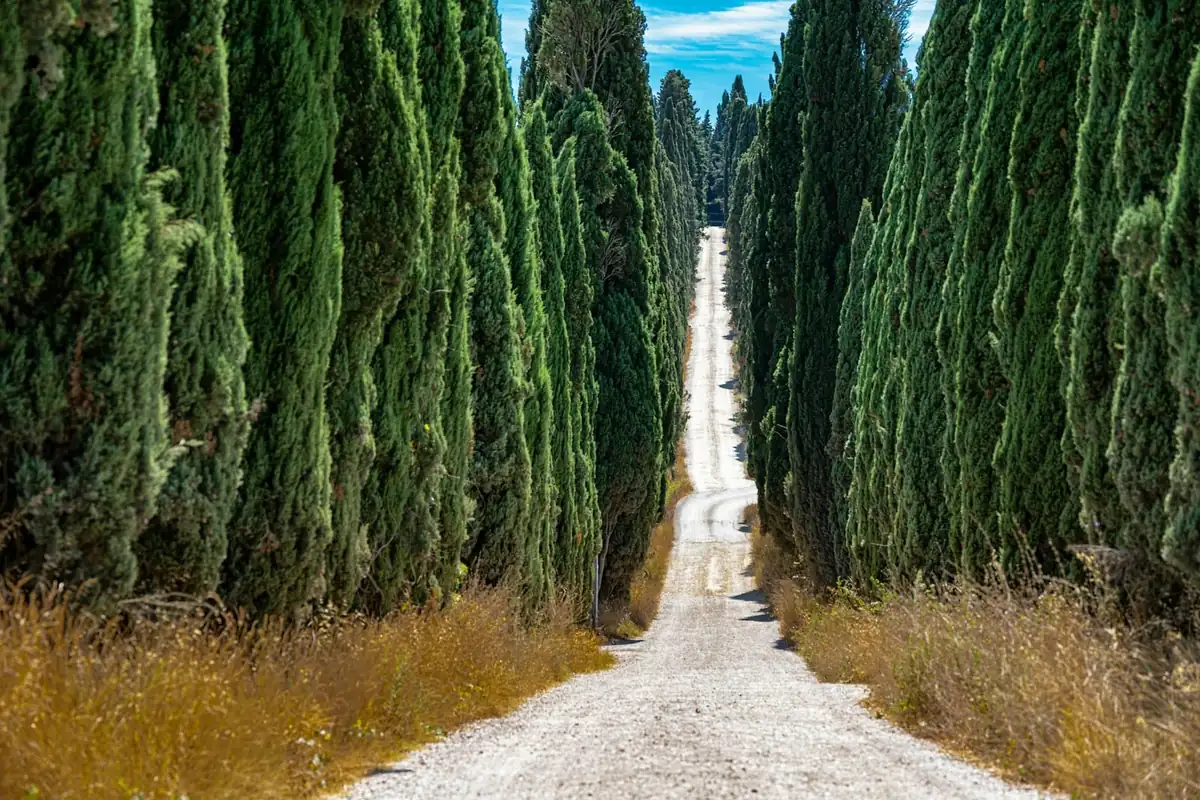
The Farms and Small Towns Along South Africa's Gravel Cycling Roads
By the second night in Swellendam, the woman behind the bar at the gin distillery pours before you finish asking. She remembers what you had after the Rooiberg day, and she asks how the legs held up on Garcia’s Pass before you’ve had the chance to bring it up yourself — half the town already knows what this week’s group has been riding, because groups like yours have been passing through for years. It’s a small detail, but it tells you something about crossing South Africa’s Western Cape that no elevation profile ever will. You are not moving through an empty landscape between climbs. You are moving through a string of real, working towns, each one small enough that a week’s worth of cyclists is still a minor event, not a footnote in someone’s diary.
That kind of familiarity isn’t usually what comes to mind when people picture gravel cycling in South Africa — most pictures are of red roads and empty horizons, and fairly enough, since the roads are the reason most riders book the trip in the first place. But a hotel-to-hotel week here also means seven small stops in nine days, not a blur of anonymous arrivals, and it’s worth understanding the human side of that before you decide where to spend a precious week of riding.
Two nights in Swellendam is the rest day at the middle of the nine-day South Africa Gravel route, and it’s also, not coincidentally, the point in the week where the towns stop feeling like a sequence of arrival-dinner-departure and start to feel familiar. You’ve had a coffee at the same café twice. You know which corner of the pool is in shade by four o’clock. The guide, who has ridden this route more times than he bothers counting, has a standing joke with the guesthouse owner in Greyton and something like a running tab with the woman who does the massages here. None of it is scripted. It’s what happens when a small, family-run outfit rides the same seven towns year after year, and the towns start riding back.
This isn’t a piece about the Swartberg Pass or the size of the Karoo sky — we’ve written those already, and they’re worth reading if the terrain is what pulls you in. This one is about the rest of it: the farms, the small towns, the guesthouses and the people behind the counter, the table and the wheel, that make a week on gravel across the Western Cape feel like travel rather than an endurance exercise with good scenery attached.
Gravel cycling in South Africa: seven towns in nine days
Ask why South Africa keeps turning up on shortlists of the best gravel cycling destinations in Africa, and most answers are about the riding: red laterite that carries speed, a Victorian mountain pass still running on its original gravel, three landscapes inside nine days. All true, and all covered properly elsewhere. What that framing tends to leave out is that a hotel-to-hotel tour here means sleeping somewhere different most nights, and every one of those places is a specific, small town or working farm — not a motorway hotel chosen for being roughly the right distance from the last one.
Over nine days you sleep in seven different places: Paarl, Prince Albert, Calitzdorp, Riversdale, Swellendam (twice, either side of the rest day), Greyton and Franschhoek — eight hotel nights in total, across three distinct landscapes. Each of those names is a real town with its own economy, its own weekly rhythm, and its own way of dealing with a group of ten-odd cyclists rolling in tired and hungry at the end of a stage. None of them exist because of cycling tourism. They exist because of wine, wheat, sheep, ostrich farming or the old wagon roads that connected the Cape to the interior, and the tour simply moves through them the way anyone travelling this ground has always had to.
If you want the terrain side of this same week — the red earth, the scale, the Swartberg’s switchbacks and the Klein Karoo’s long silences — our guides to gravel cycling in South Africa and the full Cape traverse cover that ground properly. This one stays at table height.
Guides who know these roads
Tanya and Michael Sommer, who run Gravel Adventure, have been organising cycling trips since 2013, and the habit that comes from a small, family-run outfit running the same routes year after year is a real one: the guides on the ground know the guesthouse owners, the café staff and the farm managers, not just the road surface and the passes. That matters more on a trip like this than it would somewhere with more infrastructure built specifically for tourists. In the Klein Karoo and the Overberg, a cycling group is still enough of a novelty that a guide who’s done the introductions before — who can say “this is the group I told you about” rather than turning up cold — changes how the week feels, even if you never notice the difference directly.
It also means the route itself has been shaped around what’s actually good, not just what’s convenient. A village café that makes a proper stop, a family kitchen willing to feed ten hungry cyclists on a weekday afternoon, a guesthouse with a dinner table worth lingering at — these aren’t generic amenities plugged into a template. They’re specific choices, made and re-made after riding the same roads repeatedly, by people who’d rather send you somewhere they’d choose themselves.
Paarl and Laborie: a welcome that takes its time
Every group starts in the same place: Laborie, a wine estate below Paarl Mountain with more than three hundred years of winemaking behind it. Rooms are spread through the vineyards rather than stacked in a block, there’s a wellness spa with hydrotherapy pools and saunas, two restaurants, and a cellar of Cap Classique worth tasting properly rather than rushing. Riders land at Cape Town at all hours and on every time zone, and the shuttle brings everyone in by midday, but nothing is expected of you until the welcome meeting at five in the afternoon and the group dinner that follows. That gap in the schedule isn’t an accident. It gives you the whole day to actually arrive — shower, sleep off a long-haul flight, take a slow lap of the estate — before you’re expected to make conversation with nine strangers over dinner.
By the time that dinner is served, you already know three or four names, and the guide already has a sense of who rides eager and who rides sensibly. Riders who arrive a day early can add an unhurried second night here before the tour officially starts, which is worth doing if your flight allows it; a wine estate with three centuries of history behind it deserves more than an evening squeezed between a shuttle and a welcome meeting. The estate’s own staff — pouring the Cap Classique, running the spa, laying the breakfast table — are the first South Africans most riders talk to properly, and Laborie has been receiving guests for long enough that the welcome here isn’t a performance put on for tourists. It’s simply how the place operates.
Prince Albert: the last town before the Karoo opens up
Prince Albert sits at the foot of the Swartberg, an oasis of oak trees and furrow-fed gardens where the tar simply runs out a few kilometres beyond the town limits. It’s the kind of one-street Karoo settlement that punches well above its size for a place this remote — old Cape-Karoo architecture, art and craft studios tucked into converted cottages, a proper bakery, the sort of guesthouse veranda where you end up talking to whoever else is staying there, because in a town this size there’s nowhere else to be in the evening.
Groups arrive here by shuttle in the afternoon after the Paarl Mountain warm-up ride, with one evening to wander the wide main street before the Swartberg the next morning. It’s worth resisting the urge to spend that evening purely on your legs — stretching, foam-rolling, an early night for the sake of the pass ahead. Prince Albert is small enough to see properly in an hour and interesting enough to fill three, and the Swartberg will still be there in the morning whether you’ve rested perfectly or simply well enough. Riders who’ve done the trip more than once often say Prince Albert is the town they’d happily give an extra day to, if the itinerary allowed it.
Farm kitchens, a vineyard table and a village café
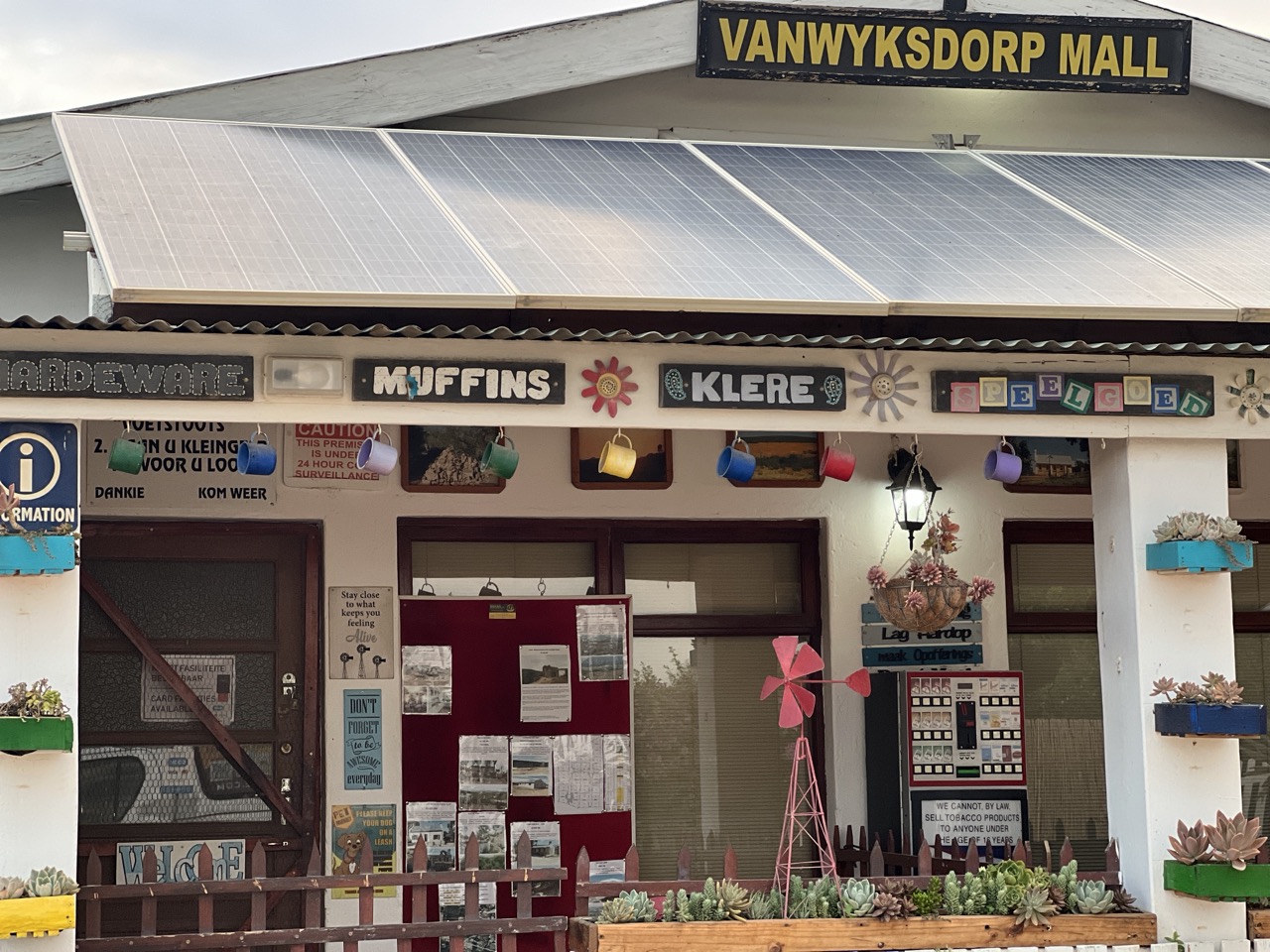
The two days after the Swartberg are, on paper, about the Rooiberg and Garcia’s passes — big, remote, proper climbing. In practice, they’re also built around some of the best food of the week. Somewhere past the halfway point of the Rooiberg day, the route calls in at a village café for the kind of stop that has nothing to do with pace and everything to do with a cold drink, a chair in the shade, and a shopkeeper who’s seen enough cycling groups pass through to ask sensible questions about the ride rather than confused ones. Villages like Vanwyksdorp, threaded along these Klein Karoo back roads, keep a general dealer alive by selling hardware, shoes and coffee under one hand-painted roofline — the kind of place where a windmill, a water tank and a donkey cart painted across a wall tell you more about how the district actually works than a museum ever would.
That evening, dinner is at a local vineyard near Riversdale — a working farm dining room rather than a restaurant built for tour groups, the sort of place where the person pouring your glass quite possibly grew the grapes in it. The next day’s ride along the Langeberg range stops for lunch at a family-run guesthouse, the kind of meal that takes rather longer than a support-van sandwich and is better for it. None of this is added spectacle. It’s simply how the route is built — point to point, through working farms and small dining rooms, because that’s what’s actually there between Calitzdorp and Swellendam, and there’s no reason to pretend otherwise with a packed lunch eaten at the roadside.
Farm stalls and the padstal culture of the back roads
You’ll pass dozens of padstals over the course of a week, whether you stop at them or not — farm stalls, in the Afrikaans that names most roadside things out here. They’re a fixture of Cape back-road culture: a trestle table or a proper little shop at a farm gate, selling whatever that particular farm or district produces — dried fruit, biltong, preserves, rusks, sometimes a hot koeksister, always a fridge of cold drinks. Some are a single folding table with an honesty box. Others have grown into proper farm shops with a coffee machine and a couple of outdoor tables. None of them are built with cycling groups in mind. They’re built for the farming community and the ordinary road traffic between towns, and a gravel group rolling up is simply one more set of customers for the day.
The tour doesn’t schedule stops at particular padstals — the route and the timing are built around the riding stages and the meals already described above — but the option is always there if you’re riding self-guided, or if the group happens to pass one during a break. Buy something if you stop. It costs very little, and it’s about the most direct way to put money into the actual district you’re riding through, rather than only into the hotels at either end of the day.
Two nights in Swellendam
Swellendam is one of the oldest towns in the country, and the mid-tour rest day here is the week’s only stretch of two nights in one place. That matters more than it sounds. Stay somewhere for one night and you’re a guest. Stay for two, and you start to have habits — a regular table, a barman who remembers your order, a walking route to the good coffee that you’ve already worked out by the second morning. The hotel has a pool and a gin bar and cafés within easy walking distance; riders who can’t sit still take an easy MTB trail or a 90 km gravel loop that includes a river-ferry crossing, and riders who can sit still book the massage and mean it.
The rest day is timed deliberately, sitting after the two hardest pass days and before the run home through the Overberg, and Swellendam is a genuinely good town to be stuck in for a day and a half. It’s the kind of place where, by the second evening, the woman behind the bar already knows what you’re drinking — which is exactly where this piece started, and exactly the point.
Greyton’s old post house
Greyton is smaller again, and feels older despite being younger than most of the towns on this route — whitewashed, oak-lined, the kind of place estate agents in Cape Town describe as a weekend retreat, and are usually right to. The group’s accommodation here is a former post house, which is a good detail to actually sleep in rather than just read about: a building that once existed to move mail and people between towns like this one now exists to receive cyclists making more or less the same journey, at a rather more deliberate pace.
After a day crossing Stormvleiport and a constantly rolling final approach through wheat country, arriving at a converted post house at the end of a quiet Overberg village is the kind of contrast that makes the whole week feel considered rather than merely completed. You’re not just tired and fed. You’re somewhere with a story attached to the walls.
Franschhoek, where the week closes
The last stage finishes where three centuries of the valley’s history began. Franschhoek was settled by Huguenot refugees in the late seventeenth century, and the valley still carries their names on the wine labels and the street signs. Riding in after the Franschhoek Pass — a descent that needs your full attention, since the baboons tend to hold the road rather than the other way round — and finding the closing dinner already being laid is a proper piece of symmetry. You started the week meeting new people over a dinner table at Laborie. You end it saying goodbye to them over another one, eight nights and three landscapes later, in the same valley you began in.
The climbs get photographed. It’s usually the kitchen table, the gin bar or the guesthouse veranda that gets remembered.
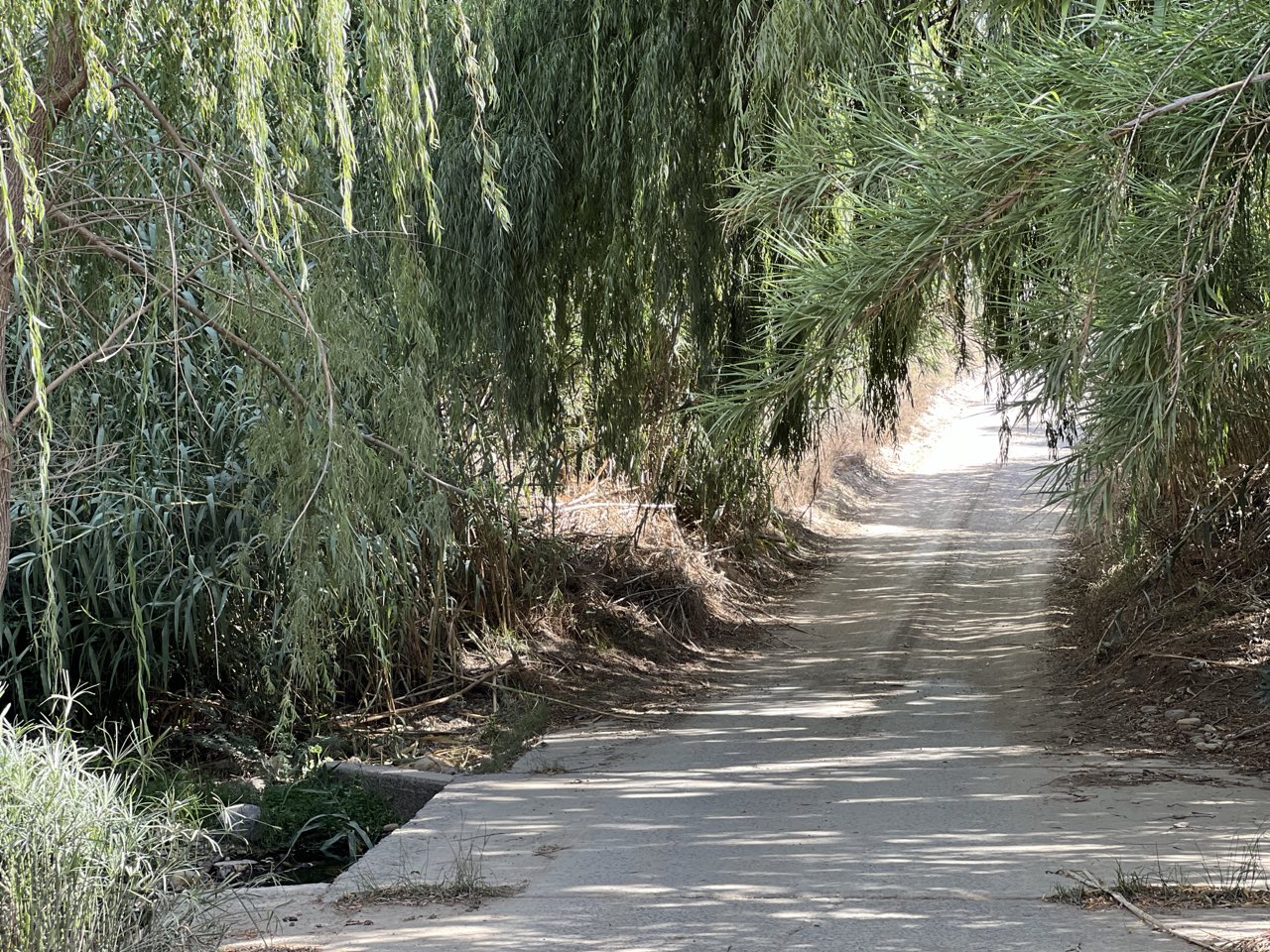
Talking to people along the way
A reasonable question before any trip to a country you don’t know well: will you actually be able to talk to anyone? In the Western Cape, the honest answer is that you won’t need to worry about it. English is the working language of every guesthouse, restaurant and farm stall on the route — this is a well-established international travel circuit, and hospitality staff everywhere are used to guests from a dozen countries passing through in the same week. Afrikaans is the daily language on many Cape farms and in the smaller towns, and you’ll hear it constantly between the people who actually live there, but nobody expects a visitor to speak it. A handful of words — dankie for thank you, lekker for good, or nice — go down well and cost nothing to learn on the flight over.
The guide bridges anything more specific: ordering off a menu that hasn’t been translated, understanding a farm worker’s directions, the odd word of isiXhosa or Sesotho among farm and estate staff who often come from further afield than the immediate district. None of it asks any real effort of you beyond ordinary manners. Say thank you at the farm stall. Ask before you photograph someone directly, the same as you would anywhere. Carry a little cash for the places where a card machine isn’t obviously sitting on the counter. None of this is exotic. It’s simply paying attention, which is most of what good travel manners ever really are.
Guided or self-guided — and how each changes who you meet
The route can be ridden guided or self-guided, and the choice changes the texture of these encounters slightly, though not the substance of them. On the guided trip — groups capped at a maximum of ten riders per guide — an English-speaking guide who knows the route leads every stage and handles the navigation, so you’re not left working out which farm gate is the right one at a junction that looks identical in every direction. You also get the benefit of a guide with a real, ongoing relationship with the guesthouse owners, the vineyard that hosts dinner, and the café that already knows to expect a group.
On the self-guided option, you take the full GPS route for Garmin, Wahoo or Komoot and ride at your own pace, not tied to the group. You still stay in the same guesthouses, eat at the same tables, and pass through the same seven towns — you simply arrive at your own rhythm rather than the group’s. Riders choosing between the Adventure and Explorer distance options each day tend to find the same thing: a longer day on the Explorer route just means you reach the guesthouse a little later, not a different guesthouse. Our tour levels page explains the pacing in more detail if that’s the part you’re weighing up.
Either way, the support van does the same job in the background — carrying the luggage hotel to hotel so it’s waiting in your room rather than on your back, meeting the group most days at lunch to refill the PurePower energy drink for free, and staying on the route for a mechanical or a lift if a day turns out longer than your legs wanted. That consistency underneath the trip is what leaves you free to actually notice the person pouring your coffee, rather than running a getting-there calculation in the back of your mind.
Route details
- Distance: 480–660 km
- Elevation gain: 5,500–8,000 m
- Surface: up to 84% gravel
- Recommended tyres: 38 mm+ (wider preferred), tubeless
What a supported South Africa week includes
None of the towns, farms or dinners described above happen by chance, and none of them require you to organise anything yourself. On the guided trip, groups run to a maximum of ten riders per guide; the guide navigates each of the seven riding stages and runs a short evening briefing with the next day’s map and elevation profile. On the self-guided trip you carry the full GPS route and ride your own pace, with exactly the same support underneath you. Either way: eight hotel nights in a shared double room — from the Laborie wine estate to Karoo boutique hotels to the former post house in Greyton — plus eight breakfasts and four dinners, including the closing dinner in Franschhoek.
Your luggage travels hotel to hotel in the support van and is waiting for you when you arrive; the van also meets the group most days at lunch, with a free refill of PurePower energy drink (bars and chews available to buy). A support vehicle carries spares and a spare bike, with mechanic help from the crew and parts charged only at cost. You go home with a Gravel-Adventure jersey, a shared online photo album, and lifetime membership of the RIDERS network. The rest of how our tours work applies here exactly as it does on every route we run.
The nine days run from €3,695, with departures in November–December 2026, February–March 2027 and December 2027 — timed deliberately, since the Cape’s early summer lines up with Northern Europe’s shortest, wettest weeks. A €500-per-rider deposit secures a place, with the balance due 60 days before departure. You arrange your own flights to Cape Town, and an airport shuttle is organised for arrivals by midday on day one. The full itinerary, the exact departure dates and everything included is on the South Africa Gravel tour page.
Ride it for the roads, remember it for the towns
Most people book this trip for the Swartberg, and they’re right to — it’s one of the great gravel climbs anywhere, and our other South Africa guides go into that properly. But ask a rider a year later what they’d tell a friend about the week, and the answer is rarely only the pass. It’s the gin bar in Swellendam that remembered their order by the second night. It’s a general dealer in a one-street Karoo village selling hardware, shoes and coffee under the same roof. It’s the guesthouse owner in Greyton who’s on first-name terms with the guide, and the vineyard dinner near Riversdale where the person serving the wine grew the grapes. It’s part of why South Africa keeps coming up as one of the best gravel cycling destinations in Africa, and part of why so many riders come back to the same handful of hotels rather than choosing somewhere new every year.
We run the route guided or self-guided, with the hotels, the guesthouses, the luggage transfer and the airport shuttle all arranged, so the only real decision left most evenings is which table to sit at first. The full day-by-day itinerary, current departures and what’s included are on the South Africa Gravel tour page, and how our tours work covers the supported model in detail. If it’s the terrain itself you want to read next, gravel cycling in South Africa and our full Cape traverse guide cover that ground properly.
Questions riders ask
Do you actually spend time with local people on the South Africa Gravel tour, or is it mostly riding and hotels?
More than you might expect from a nine-day cycling trip. Meals are built around it — lunch at a family-run guesthouse, dinner at a local vineyard, a village café stop mid-route — and the English-speaking guide typically knows the guesthouse owners personally after years on the same route. It isn't a cultural tour, but the people are part of every day, not an afterthought.
What are the guesthouses and farm stays like on the route?
They range from a five-star wine estate in Paarl to small Karoo boutique hotels and wine-farm guesthouses in between — eight hotel nights in total, each chosen for its location and its dinner table as much as its beds. Rooms are shared doubles by default, with a single-room supplement available on request. Your bag is already waiting in the room when you arrive; it has travelled ahead of you in the support van.
Is English spoken in the small Karoo towns and farm communities along the way?
Yes, especially anywhere set up for visitors — guesthouses, restaurants and farm stalls all operate comfortably in English. Afrikaans is the daily language on many Cape farms and in smaller towns, and a few words go a long way, but nobody expects a visitor to speak it. Guides bridge anything more local, from ordering at a village café to the odd word of isiXhosa or Sesotho you'll hear among farm and estate staff.
Planning a gravel week of your own?