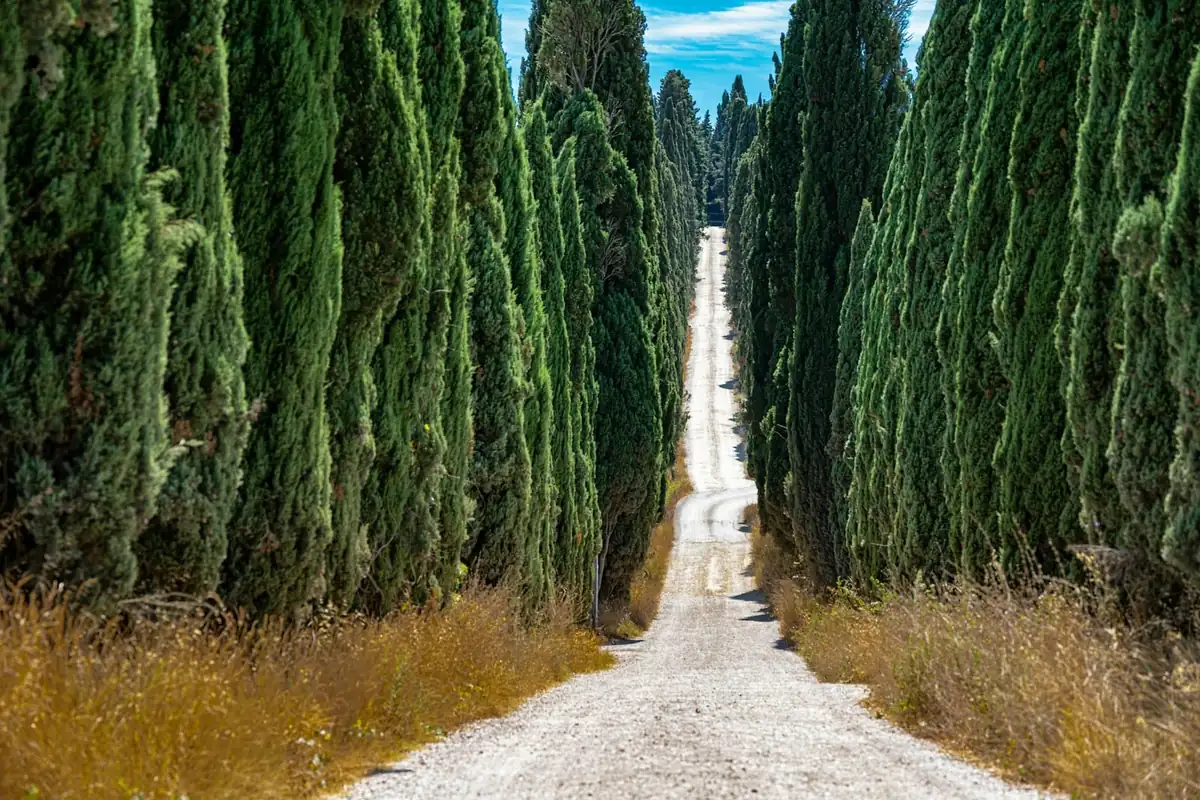
Gravel Cycling in South Africa: Why the Cape Region Draws Riders Back
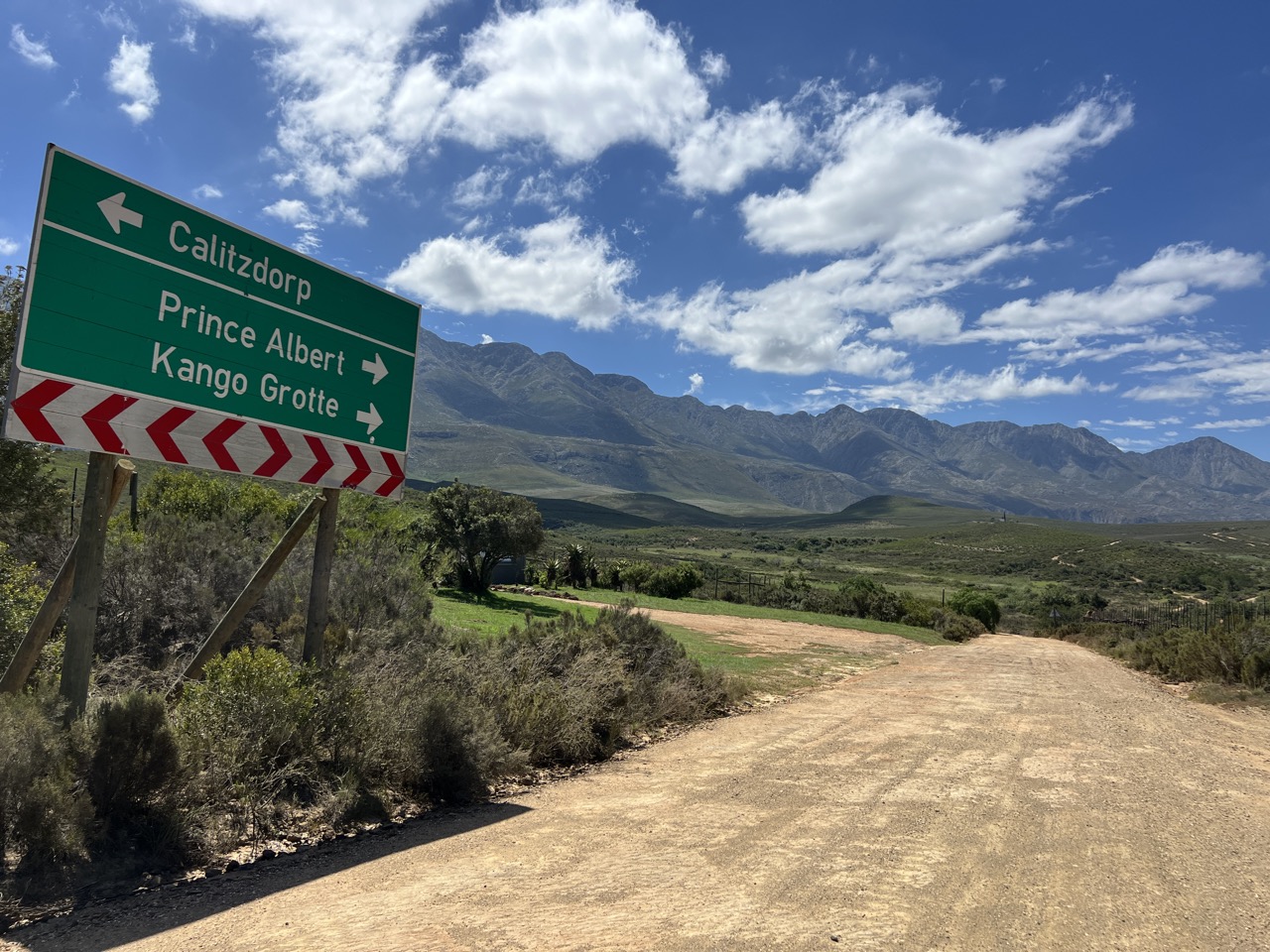
Nine days of gravel cycling across South Africa: from red earth to mountain passes, where the landscape is measured in scale, not kilometres.
In South Africa, the gravel roads stretch on. Not for 10 kilometres, or 50, but for 100 km and beyond. The horizon is a constant, a promise, a line you will never quite reach even as you cover ground hour after hour.
This is a fundamentally different gravel experience from Europe. The climbs are gentler — no Alpine passes here — but the stages are longer. The gravel is firm and fast, the roads straight and hypnotic. You can ride for eight hours and cover 150 km without seeing another cyclist, without hitting a tarred road, without the landscape changing in any dramatic way except the light. The sun rises. The sun sets. In between, there is just the road.
“In South Africa, you are not riding through the landscape. You are riding alongside it, a small figure crossing the enormous geography of the continent.”
The Gravel Adventure tour of South Africa is 480–660 km over nine days, using fast red-earth tracks, local farm roads, and a handful of passes in the Western Cape. The challenge is not vertical, but time and distance. You will do long riding days — easily 120 km per day in the middle section. The pace is easy, the support is full, but the mental discipline required to keep moving across such space is real.
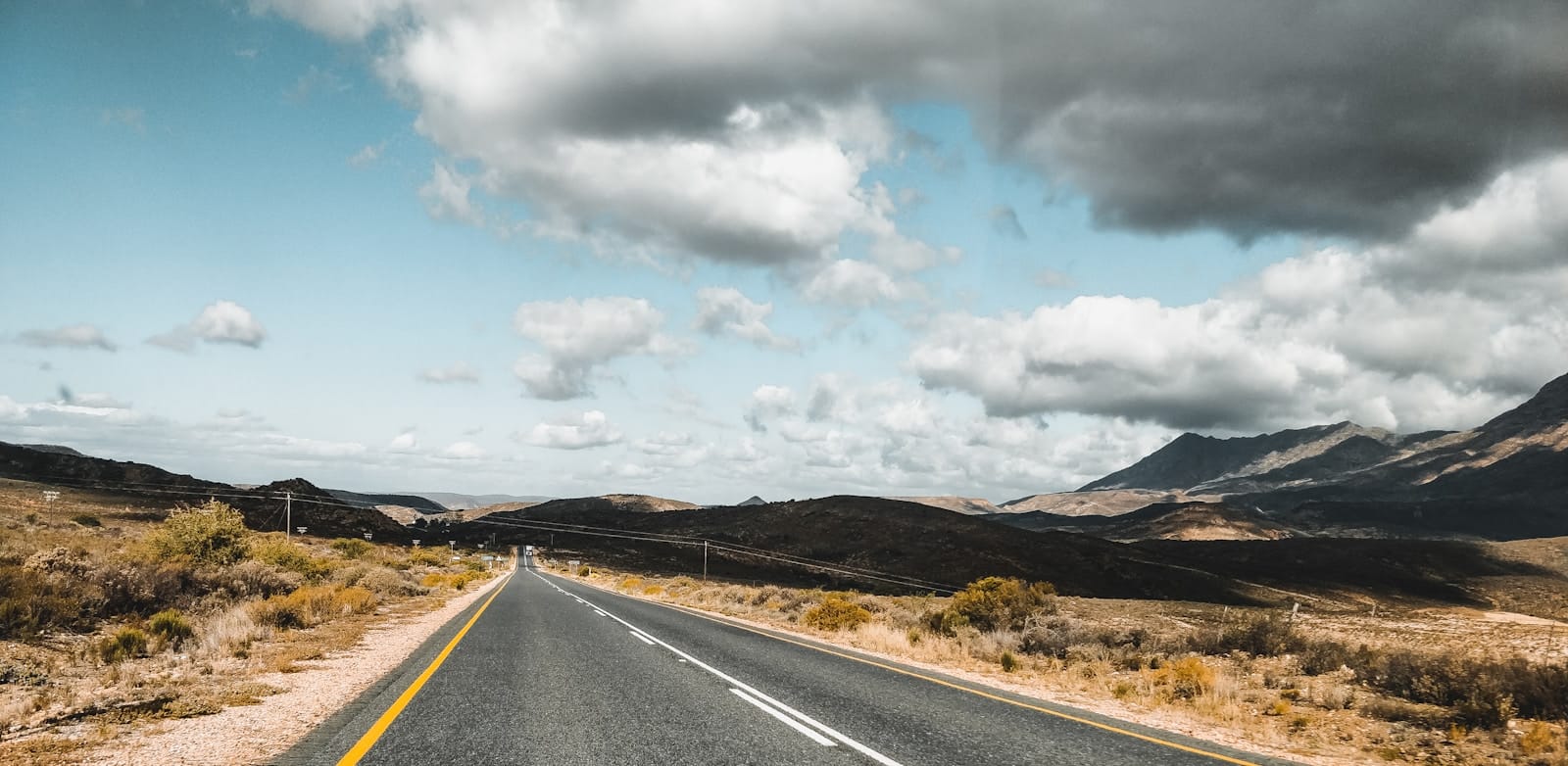
The Red Earth Roads
South Africa’s gravel roads are a different beast. They are well-maintained, which is good. They are also perfectly straight, which means you see exactly how far you have to go. On a 140 km day, you can watch the horizon for hours without it seeming to move.
The gravel itself is red laterite, firm and fast. Grip is generally good, and you can ride at speed. The passes in the Western Cape offer some elevation — the largest around 800 metres — but nothing to rival the Alps. What dominates here is time in the saddle, consistency, and a comfort with your own thoughts for eight or nine hours at a stretch.
Route details
- Distance: 480–660 km
- Elevation gain: 4,800 m
- Surface: 90% gravel · 10% tarmac
- Recommended tyres: 40–45 mm
What a supported South Africa week includes
There are two ways to ride this one. On the guided trip, groups stay small — a maximum of ten riders per guide — and the guide handles the navigation, so you ride with the group rather than plotting your own line. If you prefer your own rhythm, the self-guided option gives you the full GPS route for Garmin, Wahoo and Komoot and you set the pace yourself. Either way you cover seven riding stages through varied Cape gravel, with eight hotel nights in shared double rooms, eight breakfasts, four dinners and a dinner together to close the week.
The support is the same for everyone. Experienced English-speaking guides run a short evening briefing with maps and elevation profiles for the next day. A support vehicle carries spares, a spare bike and a clothing bag; mechanic help is on hand, with spare parts only at cost. Your luggage moves hotel to hotel in the van and waits for you at each hotel, and the van meets the group most days at lunch with a free refill of PurePower energy drink (energy bars and chews available to buy). You also get a Gravel-Adventure jersey and a shared online photo album. The rest of how our tours work is laid out separately.
South Africa Gravel Tour — 9 days, fully supported
A fully supported, hotel-to-hotel gravel cycling experience across South Africa. Guides, support vehicle, accommodation, and long days on fast red earth roads. Departures in November–December. From €3,695. Explore the full South Africa Gravel tour to see the itinerary and what’s included.
Questions riders ask
How long are the daily rides in South Africa?
Days typically range from 100 to 160 km, depending on the route chosen. The shortest days are 100 km, the longest 160 km. You will spend 6–8 hours in the saddle on most days. The riding pace is conversational — designed to cover distance while conserving energy across the week. If you are comfortable with eight-hour days at moderate pace, you are ready.
What is the surface quality of South African gravel roads?
Excellent. The roads are well-maintained red laterite gravel — firm, fast, and predictable. Unlike some mountain regions, you can maintain steady speed without constant technical focus. The roads are generally straight and flat to gently rolling. Grip is reliable in both dry and wet conditions. This is gravel for distance, not technical challenge.
When is the best time to ride in South Africa?
November to December (Southern Hemisphere spring/summer) offers warm temperatures, long daylight, and generally dry conditions. Temperatures range 20–28°C depending on location and altitude. Winter (June–August) is cooler and drier but darker. The Gravel Adventure South Africa tour runs November–December, aligning with ideal riding conditions.
Planning a gravel week of your own?