Best Time to Ride South Africa: A Southern Hemisphere Season, Explained
Paarl in late November arrives warm before nine in the morning. By the time the group gathers at Laborie for the welcome meeting, the vineyards below Paarl Mountain have that particular early-summer light — long, gold, unhurried — that has nothing in common with a European June. It is a different hemisphere on a different clock, and understanding that clock is most of what you need to know about when to book.
South Africa Gravel runs from late November through early March, and that is not an arbitrary scheduling choice. It is the one window in the Western Cape’s year that actually works for a nine-day gravel week — and it is worth understanding why, because the reasoning runs backwards from almost everything a Northern Hemisphere rider assumes about “summer.”
A summer that runs the other way
South Africa sits below the equator, so its seasons are the mirror image of Europe’s. November and December are not late autumn heading into winter, as they are at home — they are late spring sliding into full summer. January and February, the months Northern Hemisphere riders associate with the coldest, shortest days of the year, are the height of the Western Cape’s summer.
Our departures sit inside that summer deliberately: 21–30 November 2026, 4–12 December 2027, and 27 February to 7 March 2027. Every one of them lands in the Cape’s warm, dry half of the year, which is also — and this is the part that surprises people — the opposite of the pattern most visitors expect from an African summer.
Two departures, two different summers
Not every date inside that window feels the same, and it is worth choosing deliberately rather than by whichever date happens to be open.
Late November and early December is early summer in the Cape. Days are warm and reliably sunny, but the season hasn’t fully built yet — evenings up around Prince Albert and through the Klein Karoo still carry a real chill once the sun drops, worth a light packable layer for dinner. This is the gentler end of the window, and the one most riders choose if they’d rather not ride their hottest possible week.
Late February into early March is deep summer, the other end of the same season. The Karoo stages in particular — Prince Albert to Calitzdorp over the Swartberg, and Calitzdorp to Riversdale over the Rooiberg — run hotter and drier by this point in the year than they do in November. Our own training guide for this route notes that the late-February departure “runs hotter still” on those inland stages. It’s a real trade-off, not a marginal one: riders who like the heat properly on, and who train and fuel for it, tend to prefer this date; riders who’d rather have some cushion take November.
Neither is more “correct.” They’re simply two different weeks inside the same season, and the honest answer is to pick based on how you personally handle heat, not on which one sounds more like a proper summer.
Dry season, not wet season
Here is the fact that catches most first-time visitors: the Western Cape has a Mediterranean climate, which means its rain falls mostly in winter — June through August, the same months a European rider would associate with a settled, dry cycling season back home — and its summers, November through March, are the dry stretch. That’s the reverse of the pattern most people picture when they hear “African summer,” which is usually the Highveld’s pattern of afternoon thunderstorms building through the hot months around Johannesburg, a different climate entirely and a long way from this route.
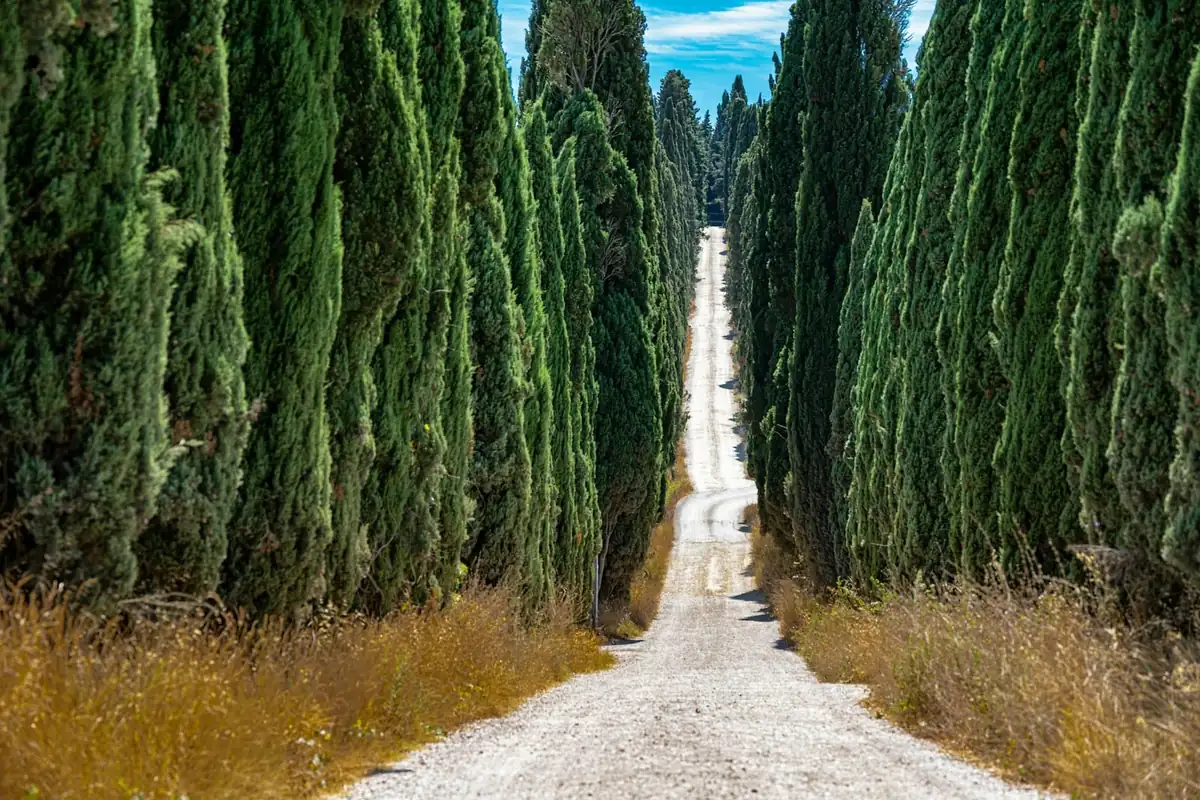
Practically, that means a late-November or February week on South Africa Gravel is riding into the driest, most settled conditions the Western Cape offers all year — reliable gravel underfoot on the Swartberg’s original Victorian surface, on the Rooiberg’s corrugated switchbacks, and along the farm roads through Winelands and Overberg alike. It is one of the quieter reasons this route works as well as it does: the season that suits the calendar also happens to suit the surface.
What the heat actually asks of you
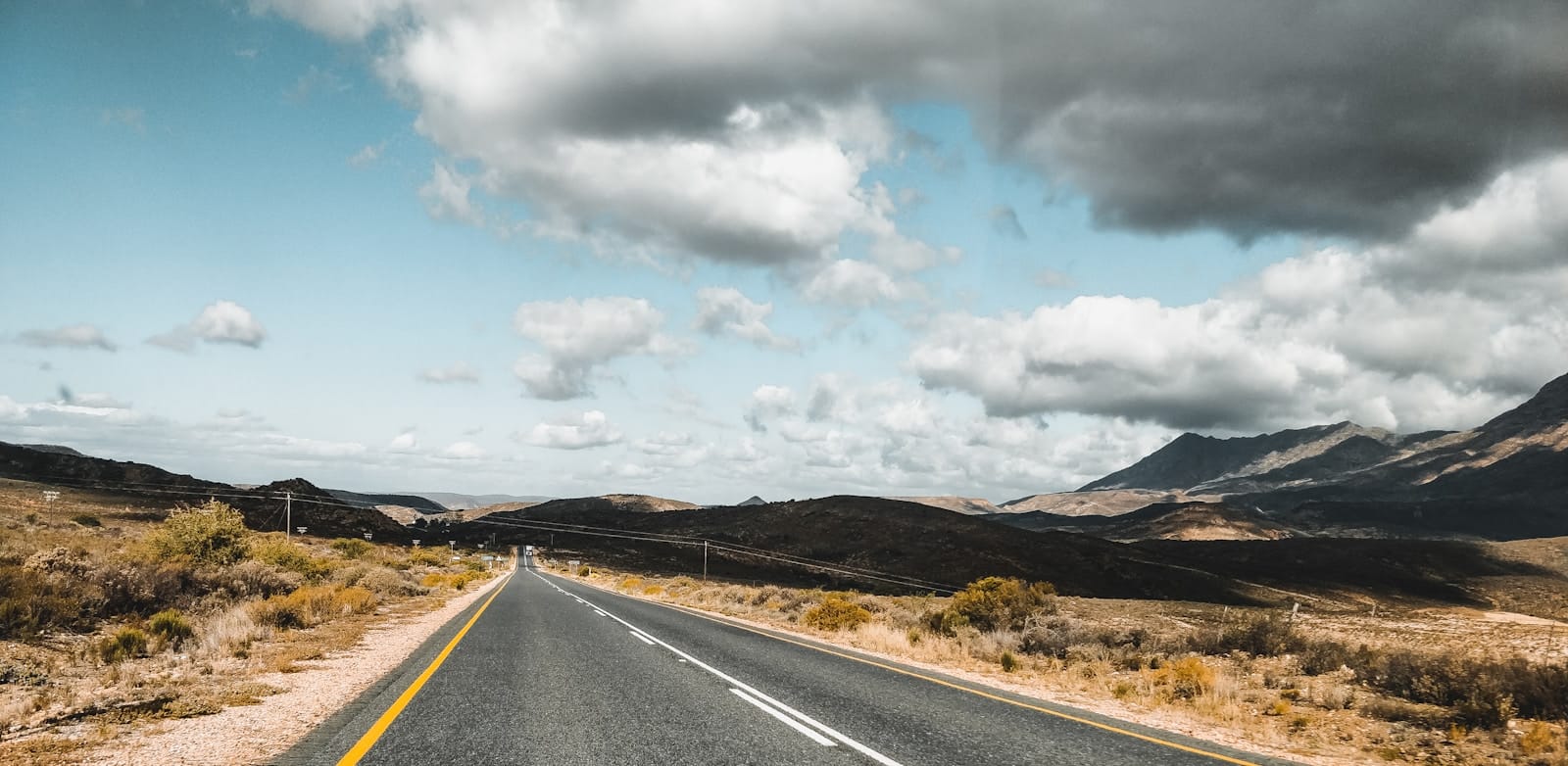
Across seven riding stages, the demands of the season aren’t uniform. The Winelands opening and the Franschhoek Pass finale run through shaded vineyard roads and forest with more relief from direct sun. The Klein Karoo stages — Swartberg and Rooiberg both — are semi-desert, more exposed, and where the temperature difference between a November and a February departure is felt most directly.
The support vehicle meets the group most days at lunch with a free refill of PurePower energy drink, which matters more here than on our cooler European routes — appetite and thirst both drop off in real heat before a rider notices, and staying ahead of both is a bigger factor in how a stage feels than fitness alone. Our training guide for this route covers the fuelling side in more depth, and the Western Cape packing guide goes stage by stage through what to wear for it.
Evenings are the reward. Even at the height of summer, the hill towns — Prince Albert, Calitzdorp, Greyton — cool down enough after dark that dinner outside is comfortable rather than a relief from the heat, which is not always true of a genuinely hot European July.
Filling the gap in a Northern Hemisphere year
There’s a practical upside to all of this beyond the Cape itself. Our five European tours — Trans Alp, Tuscany, Trans Pyrenees, Highlands Scotland and Trans Algarve — all run between April and October, when Europe is at its cycling best. South Africa Gravel runs the other half of the calendar entirely.
For a rider who has already used a summer week on the Stelvio or the Highlands, that means a genuine second option rather than a repeat of the same season: a proper nine-day gravel trip in November, December or February, exactly when home is heading into its shortest, greyest months. It’s not a consolation booking. The Western Cape in its own summer is one of the strongest weeks on our whole programme — it simply runs on a different clock, and knowing that clock is the difference between booking it well and booking it by habit.
What a supported week includes, whichever date you choose
Nine days, eight hotel nights, seven riding stages and a rest day in Swellendam, 480 to 660 kilometres depending on which route option you take each morning, on up to 84% gravel. English-speaking guides lead the group at a maximum of ten riders per guide, with GPS files for Garmin, Wahoo and Komoot for anyone riding self-guided pace. The support vehicle carries spares, a spare bike and the clothing bag, and luggage travels ahead to each hotel — you collect it there, not in your room. Breakfasts and four dinners are included, along with a closing dinner, a Gravel-Adventure jersey, a shared photo album and lifetime membership of the RIDERS network. Full mechanics of how a supported week runs are on how it works, and the difference between the Explorer and Adventure route options each day is on the levels page.
Fly into Cape Town, where the airport shuttle brings the group to Paarl by midday on day one. If South Africa is your first tour with us, our piece on booking your first gravel trip abroad covers the logistics that are easy to overlook the first time — insurance, group size, getting yourself and your bike there.
Choosing your date
If you want the gentler end of the Cape’s summer, with a touch more evening chill up in the hills, take 21–30 November or 4–12 December. If you’d rather ride it at full heat and you’ve trained and fuelled for that, 27 February to 7 March is the same route at the top of its season. Either way, you’re booking against the grain of the European calendar — which, once you know the Cape runs on its own clock, is exactly the point.
Questions riders ask
What is the best time for gravel cycling in South Africa?
November through early March, which is late spring to late summer in the Western Cape. We run departures in that window — 21–30 November and 4–12 December, plus 27 February to 7 March — because it is reliably the driest, warmest stretch of the year on this route. Outside it, the Cape moves into a cooler, wetter winter that does not suit a gravel week.
Is a November departure different from a February one?
Both sit inside the same dry season, but they are not identical. Late November is early summer — warm days, noticeably cooler evenings once you are up around Prince Albert and the Klein Karoo. Late February is deep summer, and the Karoo stages in particular run hotter and drier by then. Riders who prefer things milder tend to choose November; riders who like it properly warm choose February.
Doesn't South Africa's summer mean afternoon thunderstorms?
That is the pattern over the Highveld and Johannesburg, not the Western Cape. The Cape has a Mediterranean climate running the opposite way round from most of the country — wet winters and dry summers — so a November or February week is riding into the driest months of the local year, not the wettest. It is one of the more counter-intuitive facts about this tour, and one of the more useful ones.
How does this fit around a European cycling season?
Neatly, and mostly by accident of geography. Our Alps, Tuscany, Pyrenees, Scotland and Algarve tours all run April to October, when Europe is at its best and South Africa is at its coolest and wettest. South Africa Gravel runs the other half of the year, so a rider who has already used up their European summer can still book a week away while home is heading into winter.
What should I actually pack for the heat?
Light, breathable riding kit and strong sun protection matter more here than on any of our European routes — arm and leg covers, a buff, and sunscreen reapplied through the day, particularly on the exposed Swartberg and Rooiberg climbs. Evenings in Prince Albert and the Klein Karoo cool down enough for a light layer even in December. Our dedicated packing guide for this route goes through it stage by stage.
Planning a gravel week of your own?