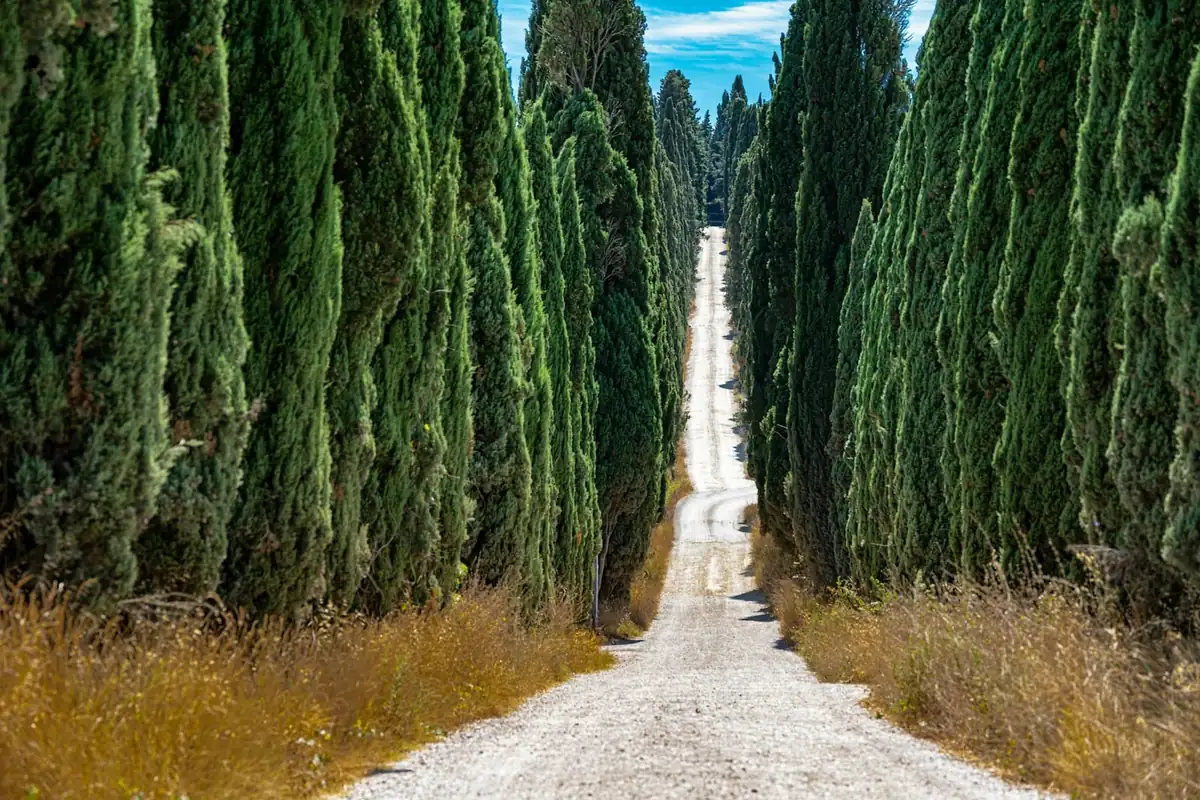
Packing for Tuscany: Strade Bianche, Dry Thorns and September Evenings
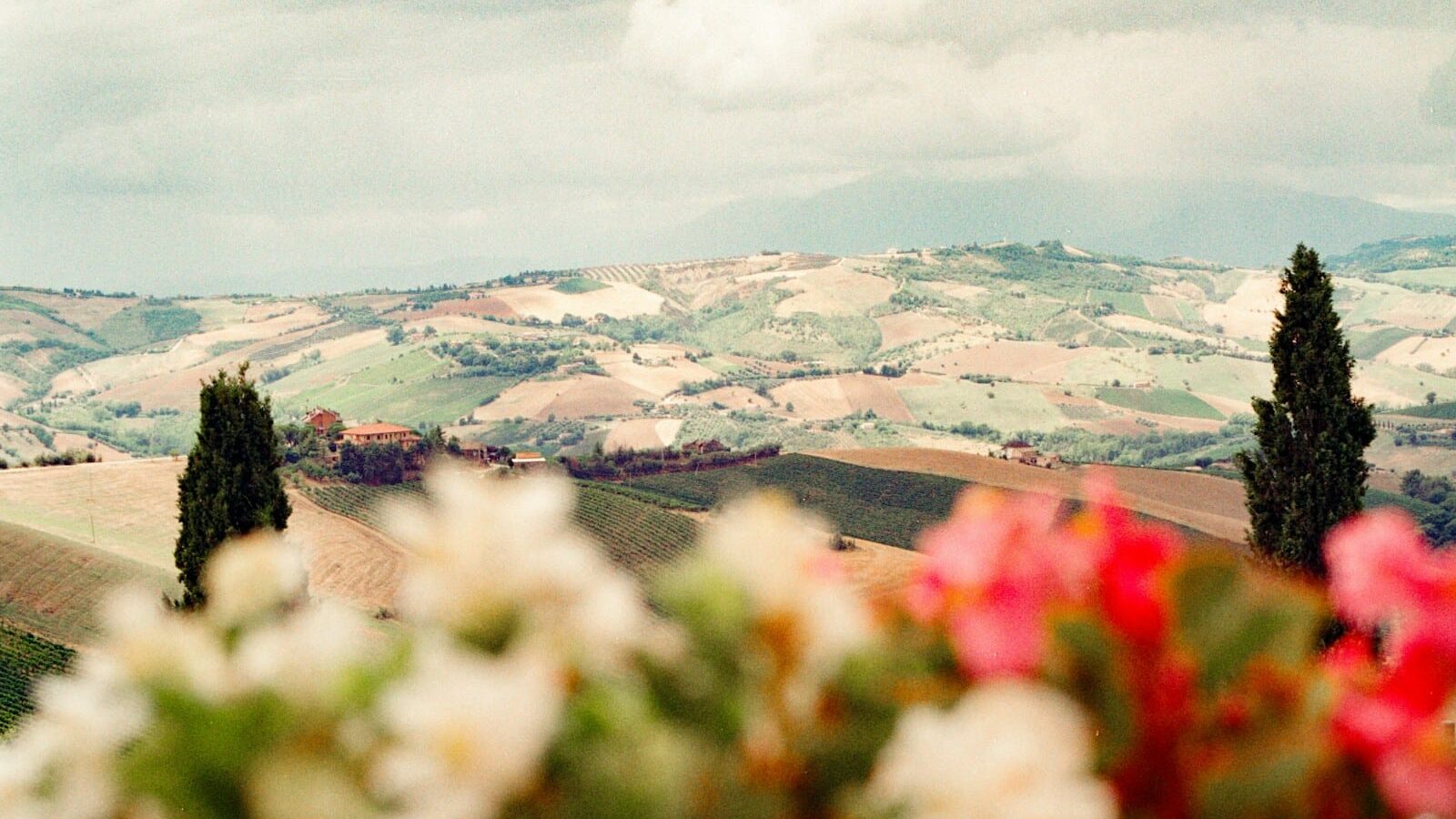
The thorn finds the rear tyre on the second afternoon, somewhere on the white gravel between San Gimignano’s towers and the first Chianti ridgeline, in the kind of dry, scrubby verge that looks entirely unremarkable until a tyre meets it. On a tubed setup that is a roadside stop and a tube change. On tubeless, with fresh sealant, it is a hiss, a wobble, and riding on within a minute without ever dismounting. The difference between those two afternoons is almost entirely a packing decision made weeks earlier, at home, not something solved on the road.
That gap between a good week and a stopped afternoon is the theme of packing for a Tuscany cycling tour specifically, as distinct from packing for a gravel tour in general. The white roads, the dry summer verges and the cool hill evenings each ask for something particular, and none of it is exotic — it is mostly about getting a handful of specific choices right before you fly.
The tyres: this is where Tuscany actually bites
Tuscany’s strade bianche have a reputation as the friendliest gravel in Europe, and mostly that holds. The white roads are a mix of compacted limestone and clay, generally rideable on standard gravel tyres, smooth in places and loose in others depending on season and weather — the Chianti stages hold the most iconic sections, fast and firm when dry.
What the reputation undersells is the thorns. Both our departures — early June and early September — ride through a landscape that has spent weeks or months drying out, and the roadside vegetation on a dry Tuscan summer carries thorns that a tubed tyre will meet sooner or later across a 460–615 km week. Minimum 38 mm, tubeless strongly recommended specifically for this reason, with fresh sealant and a plug kit rather than relying on finding either locally. A low gear around 0.9 handles the steep, short ramps into the hill towns and the sustained Crete Senesi climbs on day six — fit the cassette before you leave, since there is no bike shop between San Gimignano and Siena.
If flying with your own bike feels like the wrong amount of logistics, Tuscany is one of only two routes in our programme — alongside the Algarve — where we can arrange rental through a local partner in Pisa, bike ready at the airport on arrival and returned at the end. It’s an additional cost on top of the tour price; ask us for current specifications before booking.
The evenings: warmer than Scotland, colder than the afternoon suggests
Riders packing for Tuscany after researching the general climate tend to pack for heat and stop there, and that is the one miscalculation worth correcting before you fly. Days on both the June and September departures are genuinely warm — this is not a cold-weather tour — but the hill country around Siena and Castel del Piano, where the route climbs above 600 m, drops faster in the evening than the daytime temperature predicts. A hot afternoon finishing into Siena can give way to a 10–12°C evening on the hotel terrace within a couple of hours, and a rider who packed only for the ride is the one borrowing a jacket at dinner.
One packable layer — a light windproof or softshell, not a heavy coat — covers this. It does the same job as the kit you’d carry for a cool evening anywhere, but the point worth making plainly is that you need it here at all: Tuscany in September reads on paper as a warm-country tour, and the gap between that expectation and the actual hill-country evening is exactly the kind of detail a general packing list misses and a destination-specific one should not.
Daytime kit: a dry-weather tour, not a wet one
Unlike the Scottish Highlands, where the packing list is built around staying dry, Tuscany’s risk runs the other way. Sun, not rain, is what the kit needs to answer for across both departures: sunscreen reapplied through a long stage, a cap or visor under the helmet for the open sections through Chianti and the Crete Senesi, and sunglasses with a clear lens for the shaded forest stretches near Pistoia on the Explorer line. A heavy waterproof is the single item most worth leaving at home — pack the light layer for the evenings instead and let it double as wind protection on the exposed ridge sections.
Off the bike: hill towns reward walking shoes
Seven nights are spent in agriturismo farm hotels and boutique stays chosen for location and food, with towels and toiletries provided, so the off-bike bag can stay genuinely small. What it should hold: comfortable walking shoes, because Lucca, Florence, San Gimignano and Siena are towns that reward an evening spent on foot, not just an afternoon ridden through them, and something smart-casual for the three included dinners and the rest day in Siena, where vineyard visits and a walk into the old town are both on the table. Nothing here needs to be formal — this is a cycling holiday with good food attached, not the other way round.
What travels for you, and what you carry
As on every tour we run, your main bag travels hotel to hotel in the support vehicle, and the van meets the group at a lunch stop on most riding days, where you can change kit and refill the PurePower energy drink for free. That means the kit you actually carry on the bike each day is small: two bottles, the packable evening layer in case the stage finishes into a cooler valley than it started in, sun protection, and your own repair kit — a rear derailleur hanger specific to your frame and a matching quick link, since those are the parts a van carrying spares for ten different bikes cannot reasonably stock.
Pack around the tyres first, the evening layer second, and the walking shoes third, and the rest of a Tuscany week takes care of itself. For the wider planning picture — what’s included, how guided and self-guided riding work across the week, and the difference between the Adventure and Explorer pace options — our how it works page covers the rest.
Questions riders ask
What is the weather actually like on the Tuscany Gravel tour?
Our two departures sit in early June and early September, both chosen to avoid the worst of the summer heat while keeping the strade bianche firm and fast. Days are warm in both windows, but the hill country around Siena and Montalcino can still drop to 10–12°C in the evening, even in September — the gap between a hot afternoon climb and a cool agriturismo terrace is bigger than it looks on paper.
Do I need tubeless tyres for Tuscany?
Yes. The white gravel roads ride beautifully on standard tyres when the surface is firm, but Tuscany's dry summer vegetation and roadside thorns are a genuine hazard, and a tubed setup will find them sooner or later. Minimum 38 mm across all our tours, tubeless strongly recommended here specifically — bring sealant and a plug kit rather than counting on finding either along the route.
Can I hire a gravel bike in Tuscany instead of flying with mine?
Yes — Tuscany is one of only two tours where we can arrange this, through a local partner in Pisa. The bike is ready at the airport on arrival and returned at the end, at an additional cost on top of the tour price. Ask us about specifications before booking. If you'd rather bring your own, a good hard case as checked baggage is the standard route.
What do I need for the agriturismo evenings and the Siena rest day?
Something smart-casual, not formal. Seven nights are in farm hotels and boutique stays chosen for location and food, with three dinners included — the other four evenings are yours to spend in a hill town or at the hotel. Comfortable walking shoes matter: Siena's old town, San Gimignano's towers and the other hill towns on the route reward an evening on foot, not just an afternoon in the saddle.
How much of my own kit do I actually carry on the bike?
Very little. Luggage travels hotel to hotel in the support vehicle, and the van meets the group most riding days at lunch, where you can change kit and refill the energy drink for free. Two bottles, a packable layer for the evening cool, sun protection and your own repair kit is the realistic load for a stage.
Planning a gravel week of your own?