Cycling the Pyrenees on Gravel: A Guide to Trans Pyrenees Gravel
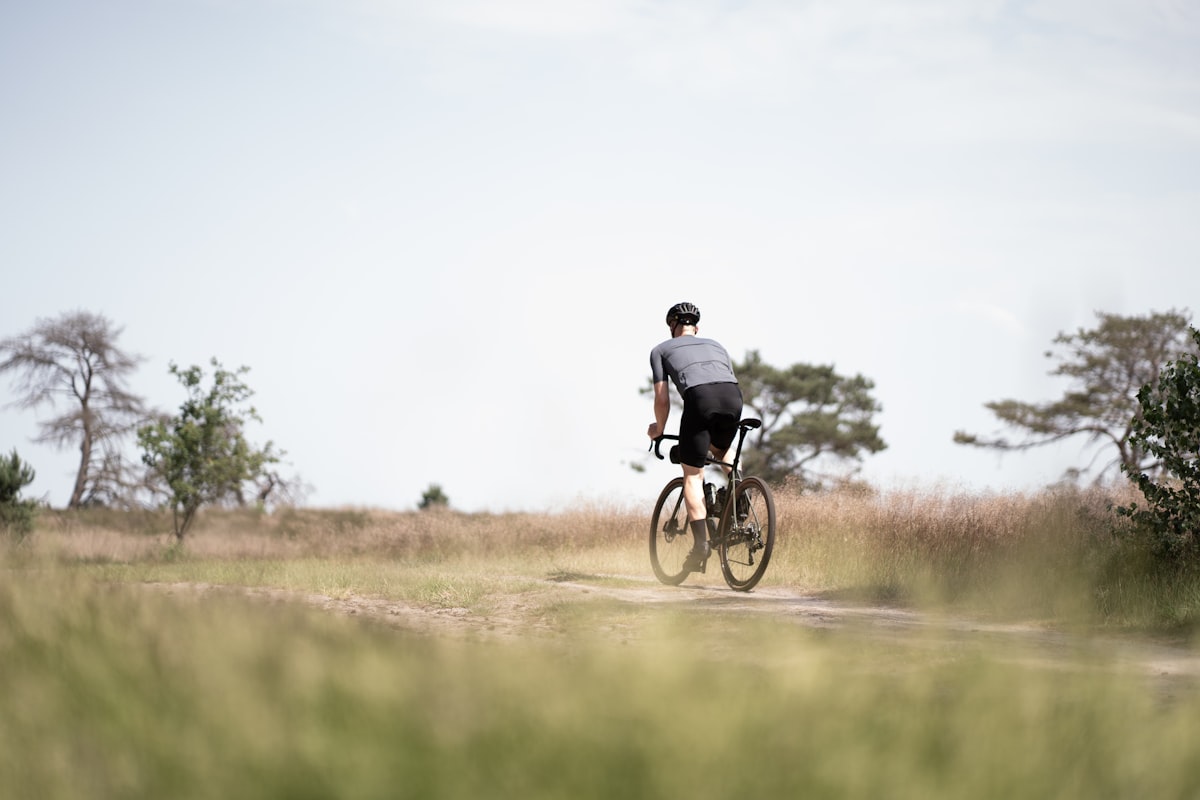
Eleven days, 780 km of gravel, and the mountains that separate two countries on a single bike.
The Pyrenees don’t announce themselves. They rise gradually from the foothills of the Basque country, building in altitude and mood, until the morning you look back and realize the coast is gone.
This is the Trans Pyrenees: a gravel crossing from San Sebastián in Spain to the Bay of Roses on the Catalan coast. Eleven days. Seven hundred and eighty kilometres. Enough climbing to humble any rider, enough landscape to make you understand why these mountains have always divided cultures, languages, and kingdoms.
“These mountains do not care about your plan. They will teach you pace, altitude, and the value of a support van waiting at the next col.”
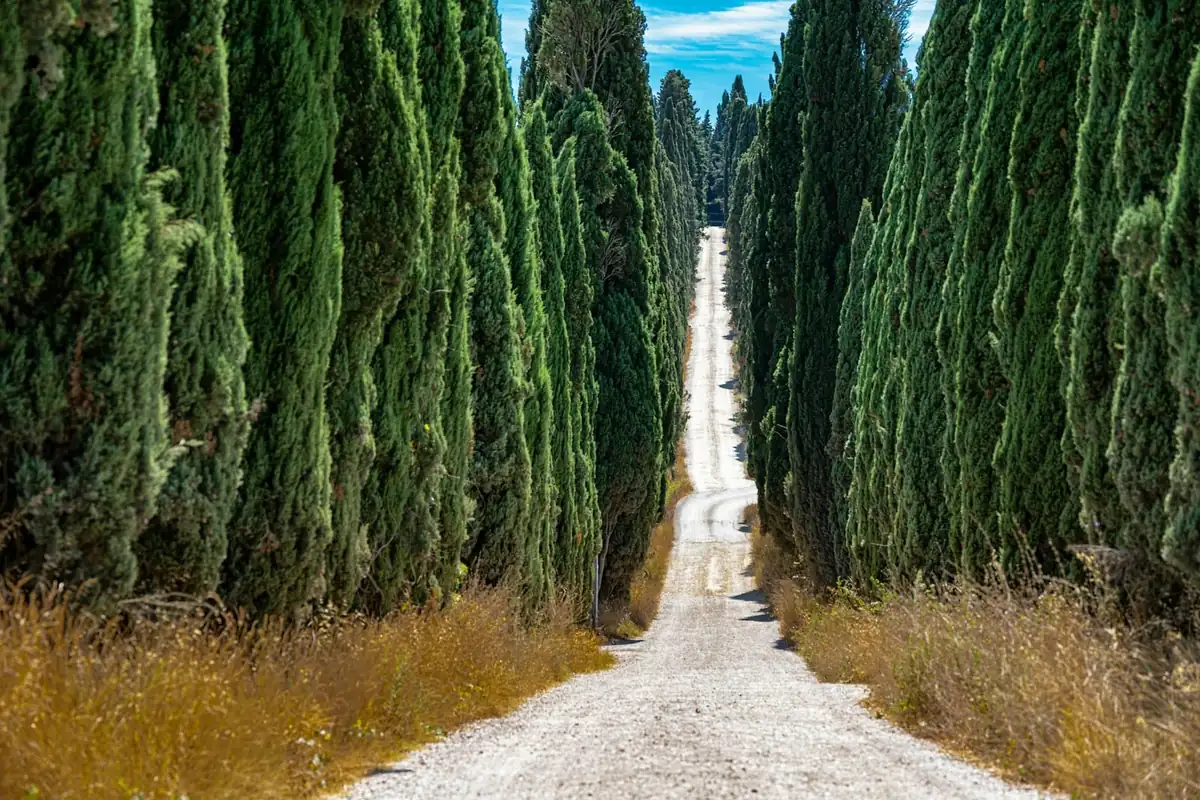
The gravel here is different from the Strade Bianche. It is rougher, more angular, born from glacial action rather than crushed chalk. The surfaces change with elevation — loose scree at altitude, packed forest track in the passes, and the occasional patch of technical rocky climbing that demands both skill and nerve.
The High Passes
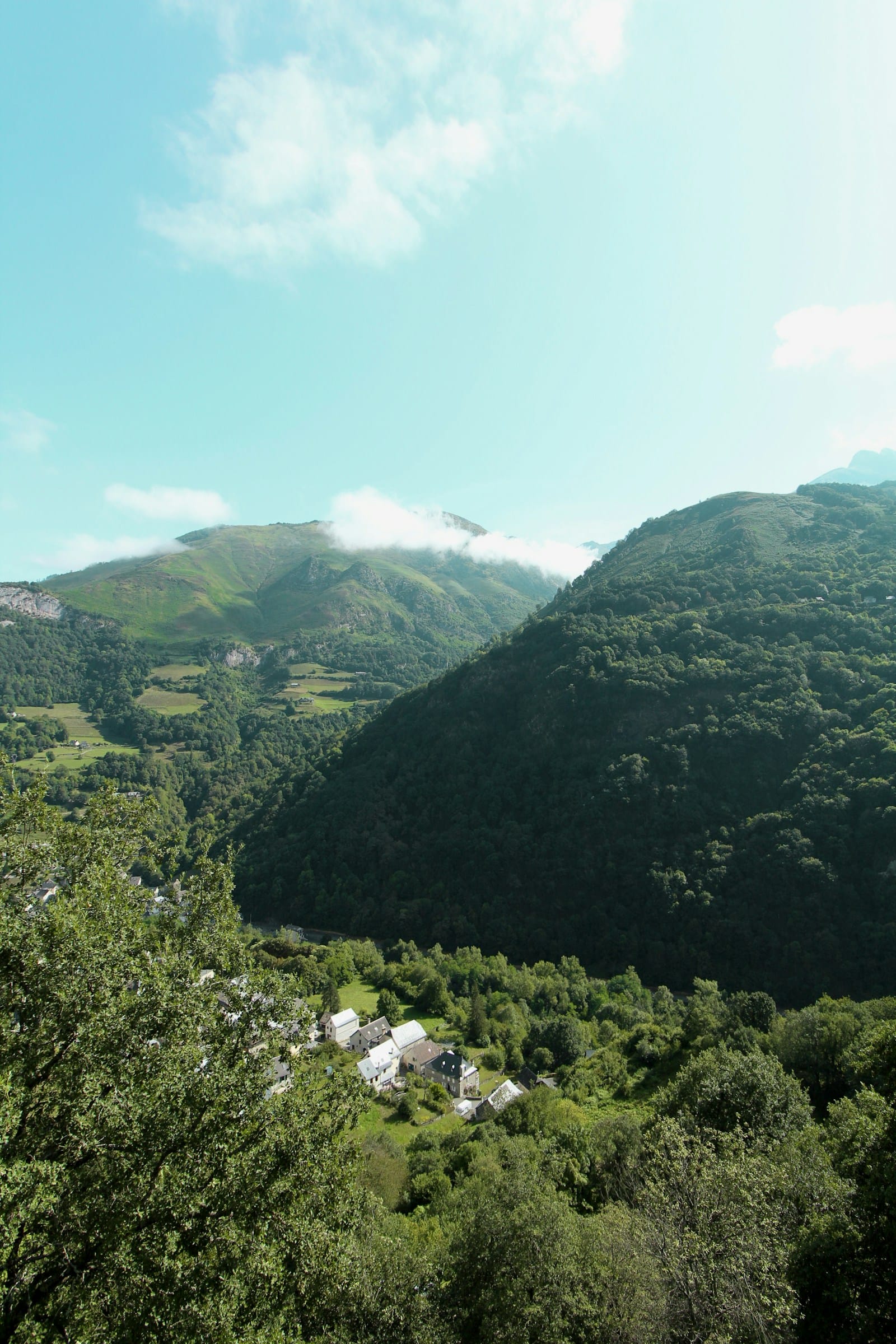
There are six major passes on the Trans Pyrenees route. Some carry names — the Portalet d’Aspe, the Hourquette d’Ossoue — others are simply numbers on a topographic map. The highest, the Pic de Casamanya, tops out at 2,740 metres. There is no easy day on this route.
But the reward is solitude. These are not popular cyclocross routes bristling with Saturday riders. On some days, we saw fewer than five other cyclists. The landscape rolls on — mountain, valley, summit, descent — not a route for building fitness on.
Route details
- Distance: 780 km
- Elevation gain: 13,500 m
- Surface: 70% gravel · 30% tarmac
- Recommended tyres: 38–42 mm
What a supported Trans Pyrenees week includes
There are two ways to ride the crossing. Guided groups are kept small — eight to ten riders per guide. The guide handles the navigation, so you ride with the group rather than following your own route. If you prefer to set your own pace, the self-guided option gives you the full GPS route loaded for Garmin, Wahoo and Komoot.
The trip covers eight riding stages, with an optional rest-day ride for anyone who wants it, and ten nights in hotels in shared double rooms. You get ten breakfasts and four dinners, including a closing dinner together on the Bay of Roses, at Sant Pere Pescador. Every rider shares the same support, whichever way they ride. For more on this, see how our tours work.
- Experienced, English-speaking mountain guides and a daily evening briefing with maps and elevation profiles
- A support vehicle carrying spares, a spare bike and a clothing bag — mechanic help and spare parts are available at cost
- Luggage moved hotel-to-hotel in the van, which you collect on arrival, and the van meeting the group most days at lunch with a free refill of PurePower energy drink (energy bars and chews available to buy)
- A Gravel-Adventure jersey and a shared online photo album
Trans Pyrenees Gravel — 11 days, fully supported
We run a fully supported hotel-to-hotel gravel crossing of the Pyrenees from San Sebastián to Roses. Guided or GPS self-guided. Experienced mountain guides, support vehicle, and daily accommodation included. September 2026. From €3,595. See the full Trans Pyrenees Gravel tour for the itinerary and what’s included.
Questions riders ask
How high are the passes on the Trans Pyrenees?
The highest point on the route is Pic de Casamanya at 2,740 metres. Six major passes exceed 2,000 metres. Altitude gain totals approximately 13,500 metres over 11 days. This requires good fitness and several days of acclimatisation. The route includes lower passes for lighter days, but there are no truly easy stages.
What kind of gravel is on the Trans Pyrenees route?
The surface is predominantly forest track and mountain gravel — rougher and more angular than the fine chalk roads of Tuscany. At altitude, expect loose scree and technically rocky sections. Lower elevations feature packed forest floor. Tyres 38–42 mm are recommended for both grip and speed. The terrain demands technical bike handling.
Is the Trans Pyrenees gravel tour available as a guided trip?
Yes. Gravel Adventure runs an 11-day fully supported hotel-to-hotel gravel tour crossing the Pyrenees. Available as guided (with experienced mountain guides) or GPS self-guided. Support vehicle provides luggage transport and mechanical support. Daily accommodation in mountain villages and towns throughout. September 2026 departure from €3,595.
Planning a gravel week of your own?