Crossing Two Countries in a Day: Gravel Cycling the France-Spain Border
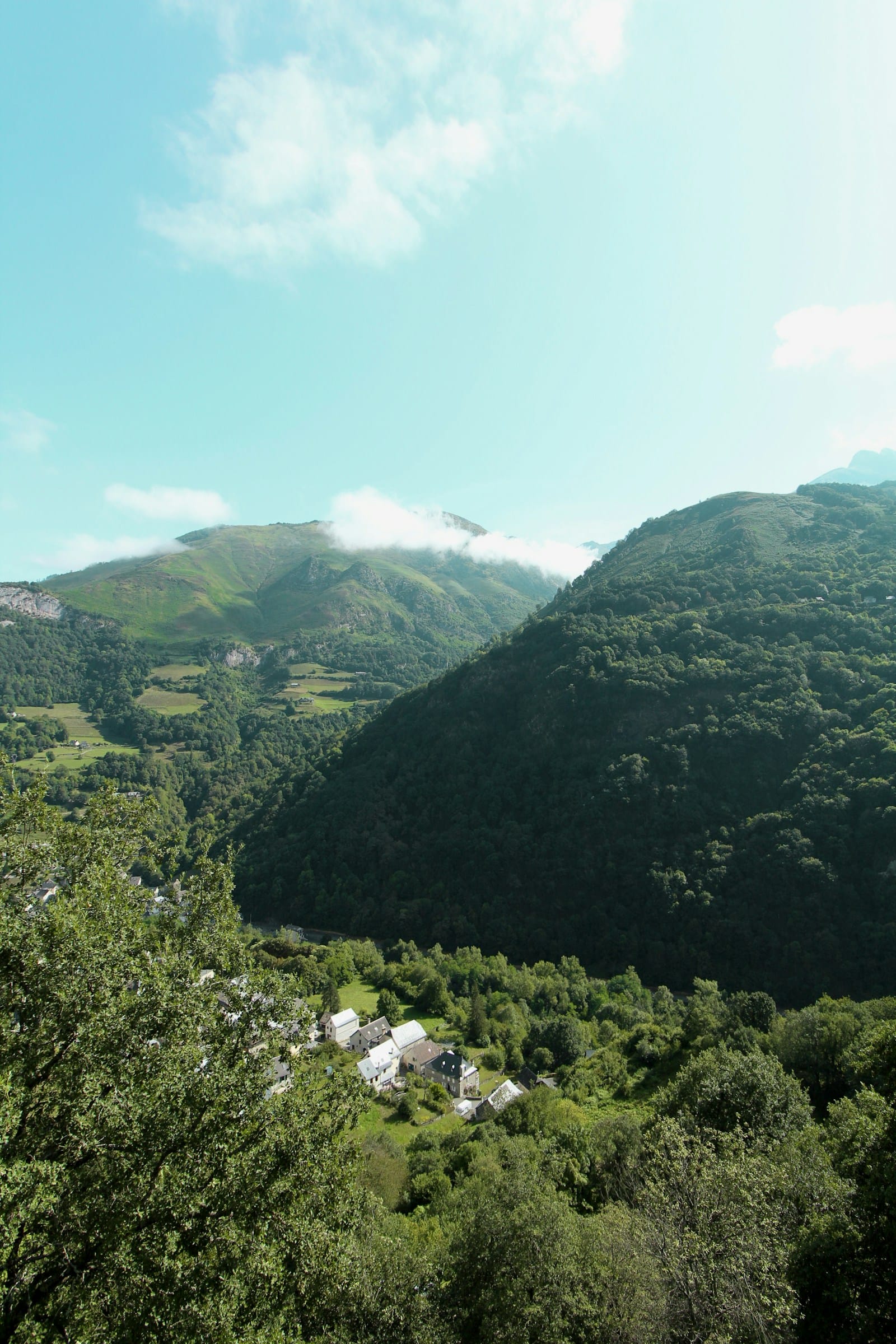
Somewhere above Elizondo, the gravel narrows, the trees thin out, and a small stone marker appears at the side of the track that nobody in the group ever quite manages to photograph in time. It doesn’t announce itself the way a border usually does — no barrier, no flag, no queue of cars. Just a change in the road surface, a different style of waymarking, and the guide saying, almost in passing, we’re in France now. Twenty minutes later, without much ceremony, you’re back in Spain.
That is the whole event, and it is also one of the more quietly remarkable things this route does. Most people who ride across a national border do it in a car, at a motorway services, or on a plane. On stage three of the Trans Pyrenees Gravel crossing, you do it on gravel, under your own power, and you could miss it if you weren’t told.
Where this sits in the crossing
The Trans Pyrenees Gravel tour runs the full length of the range, San Sebastián on the Atlantic to Sant Pere Pescador on the Mediterranean — 780 km over eight riding stages and ten nights, with 17,000 to 20,000 m of cumulative climbing. It is our longest and hardest route, run as a single Adventure-level tour rather than the two-pace split we offer elsewhere: everyone rides the same demanding line, guided or self-guided.
The border stage is the second day of riding, Elizondo to Isaba — 90 km and 2,600 m of climbing. It follows the opening stage out of San Sebastián, which takes you from the seafront through the Basque hills to Elizondo, a stone-built town in the green Baztan valley. From there the route climbs harder, holds altitude longer, and for a stretch of ridgeline, crosses out of Spain.
A border that isn’t really there
The France-Spain frontier through the western Pyrenees has never worked the way a map suggests. For centuries before either country drew a hard line on paper, this was Basque and Navarrese country on both sides — shepherds moved flocks between summer and winter pasture across what is now the border as a matter of routine, smugglers’ paths threaded the high cols long before customs posts existed to avoid, and the mountain communities on either side often had more in common with each other than with their own capitals. The line the two nations eventually agreed on runs along the watershed, which is precisely why a gravel route tracing high ridges keeps brushing up against it.
Since both countries joined the Schengen Area, the practical border has all but disappeared. There’s no checkpoint on this stretch, no queue, nothing to present. What’s left is geography and a change of jurisdiction that you feel more than see — a different style of trail marker, a slightly different quality to the gravel, the kind of small textural shift an experienced rider notices without needing a sign to explain it.
What the day is actually like
The numbers tell you it’s a serious stage: 90 km, 2,600 m of climbing, second day of an eleven-day trip. What they don’t tell you is the character of it. This is the Basque country showing its full hand — steep, wooded ramps low down, giving way to long gravel ridgelines above 1,000 m where the trees fall away and the views open in every direction. The road surface is honest rather than smooth: packed earth and stone that turns greasy quickly if the weather has been wet, which in this corner of the Pyrenees it often has.
The border crossing itself sits within that high, open section — not a single dramatic moment so much as a sustained stretch where you are, technically, riding in a different country from the one you woke up in. Then the road bends back south, the descent into Isaba begins, and Spain resumes. Guides and riders who’ve done this stage more than once tend to agree it produces some of the best descents and views of the whole route, precisely because the terrain that makes for an interesting border also makes for interesting riding.
Isaba itself, where the stage ends, sits in the Roncal valley — a proper mountain village, tucked hard against higher ground, a fitting place to arrive after a day spent working for every kilometre.
Riding it well
A few things that make a genuine difference on a stage like this:
- Trust the GPS on the ridgeline, not your instinct. Above 1,000 m, junctions can be subtle and the correct line isn’t always the obvious one. This is exactly the terrain where the guided option’s local knowledge earns its keep, and where self-guided riders should keep the route file close rather than freelancing.
- Fuel before the climbing starts, not during it. 2,600 m over 90 km is not a day to run on empty legs and hope the border crossing provides a psychological lift — it’s a genuinely demanding profile from early on.
- Dress for altitude, not for the valley you started in. The high ridgeline sections catch wind and lose warmth quickly even when Elizondo felt mild at breakfast. A packable layer in a jersey pocket costs nothing and solves a real problem.
- Take a moment at the top. It’s easy to keep riding through a border that announces itself so quietly. Worth the ten seconds to actually notice where you are.
Tyres and surface
Our minimum across every tour is 38 mm, wider is better, and on the Basque stages specifically we’d lean toward the wider end of that range set up tubeless. The gravel here mixes packed earth, loose stone and the occasional root-crossed section in the wooded lower slopes, and it drains unevenly after rain — a narrower, harder tyre gets caught out where a wider, softer-run one floats through. Our guide to gravel bike tyres for touring goes into the trade-offs if you’re deciding what to bring.
Isaba, and what comes after
From Isaba the route turns south and east, away from France for good. Stage four runs Isaba to Jaca — 85 km, 2,095 m, more descent than ascent but still real work, rolling mountain roads and forest gravel through country that starts to feel drier and more open. From Jaca the terrain changes character again: the route enters Zona Zero near Aínsa, one of Spain’s best-known gravel regions, before the rest day and the hardest stage of the entire crossing on the far side of it.
If you want the whole traverse laid out day by day — the Basque opening, the high central Pyrenees, the run down to the Mediterranean at Sant Pere Pescador — our full route guide, San Sebastián to Sant Pere Pescador: crossing the Pyrenees by gravel bike, covers it stage by stage.
What a supported Trans Pyrenees week includes
Ten nights in hotels and mountain refuges chosen for location, ten breakfasts and four dinners including the closing dinner on the Bay of Roses, and eight riding stages plus an optional rest-day ride in Aínsa. Whichever way you ride — guided, with an experienced English-speaking guide leading each stage and handling the navigation, or self-guided on the full GPS route for Garmin, Wahoo and Komoot — the support is identical: a support vehicle carrying spares, a spare bike and a clothing bag, luggage moved hotel to hotel so you collect your bag on arrival, a daily evening briefing with maps and elevation profiles, and the van meeting the group most days at lunch with a free refill of PurePower energy drink. Mechanic help comes from the crew, with parts at cost.
Guided groups run eight to ten riders per guide — smaller than most of our other tours, which matters on ridgelines like the one above Elizondo where good navigation and steady pacing count for more than usual. The full logistics, the 2026 and 2027 departure dates, and what’s included in full are on the Trans Pyrenees Gravel tour page; how our tours work explains the guided/self-guided model in more detail, and our levels page sets out how we grade the riding across the whole programme.
Why this stage stays with people
Most border crossings are forgettable by design — a passport stamp, a change of currency, a different plug shape in the hotel room. This one is the opposite: a stretch of gravel on a ridge in the Basque Pyrenees where the only evidence you’ve changed countries is a small stone marker and your guide mentioning it in passing. You climb into France without meaning to make a thing of it, and you descend back into Spain the same way, and somewhere in the 2,600 m between the two you understand a little better why these mountains have separated two countries for a thousand years without ever quite managing to divide the people who live in them.
We ride this stage every September on the Trans Pyrenees Gravel crossing — guided or self-guided, San Sebastián to Sant Pere Pescador, with the support van somewhere below you on the valley road.
Questions riders ask
Does the Trans Pyrenees Gravel route actually cross into France?
Yes, briefly. Stage three, from Elizondo to Isaba, climbs into the high Basque hills and touches French territory for a stretch before dropping back into Spain — a genuine border crossing on two wheels, on the same day. The rest of the route stays on the Spanish side of the range.
Do I need my passport for the border crossing?
Bring it, but you won't be stopped for it. Both France and Spain are in the Schengen Area, so there are no routine passport checks at this stretch of the frontier — you'll know you've crossed from the road surface and the signage changing, not from a checkpoint.
How hard is the Elizondo to Isaba stage?
90 km with 2,600 m of climbing — one of the two toughest days in the opening half of the route. Steep ramps, long gravel ridgelines above 1,000 m, and technical descents. It comes on the second riding day, before the legs have fully settled into the week, so pace it with respect.
Which countries does the whole Trans Pyrenees route pass through?
The tour starts in San Sebastián, Spain, and finishes at Sant Pere Pescador on the Spanish Mediterranean coast, with the stage-three border stretch as the one deliberate excursion into France. Geographically the whole route shadows the frontier — the Pyrenees themselves are the border — but Spain is where you sleep every night.
Guided or self-guided for a stage like this?
Either works. The GPS files (Garmin, Wahoo, Komoot) are accurate down to the border stretch, so self-guided riders won't miss the turn. On the guided option, having someone who has ridden the line before is a comfort on the ridgelines, where a wrong junction costs real time rather than a quick correction.
Planning a gravel week of your own?