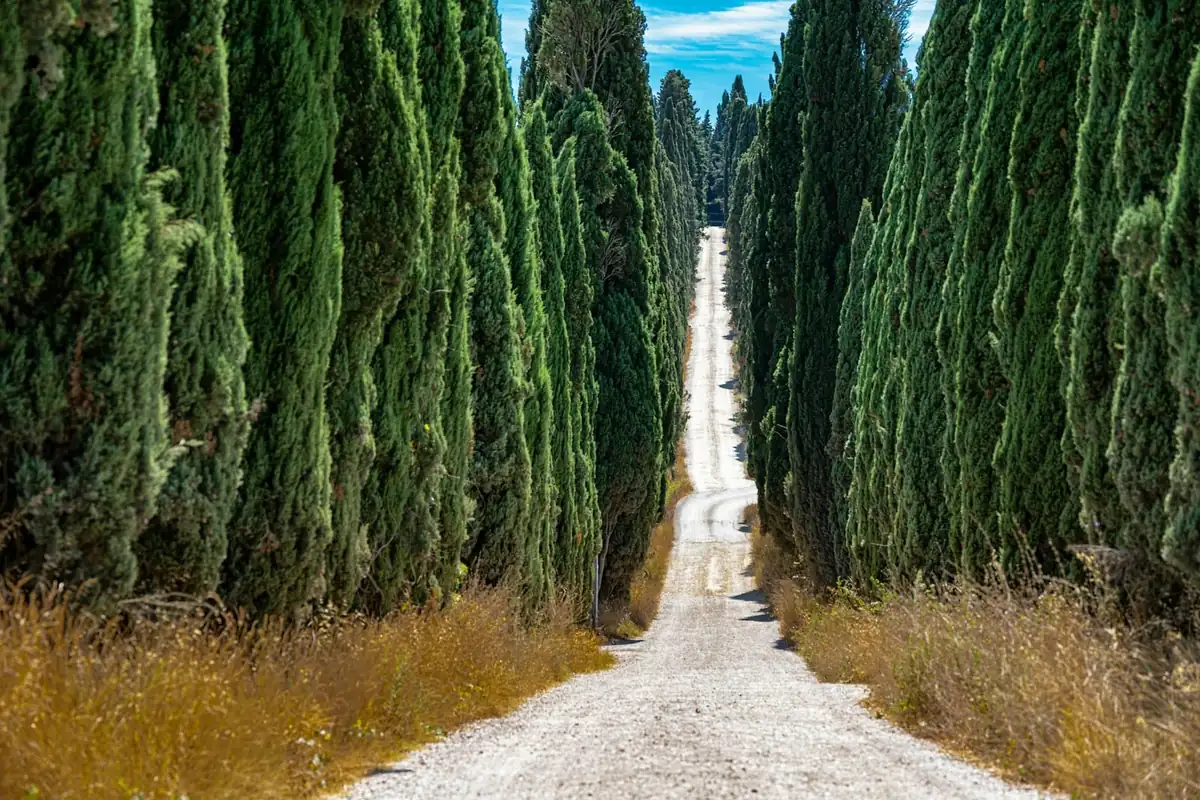
Gravel Cycling in Tuscany: Through the Apennines to the Heart of Italy
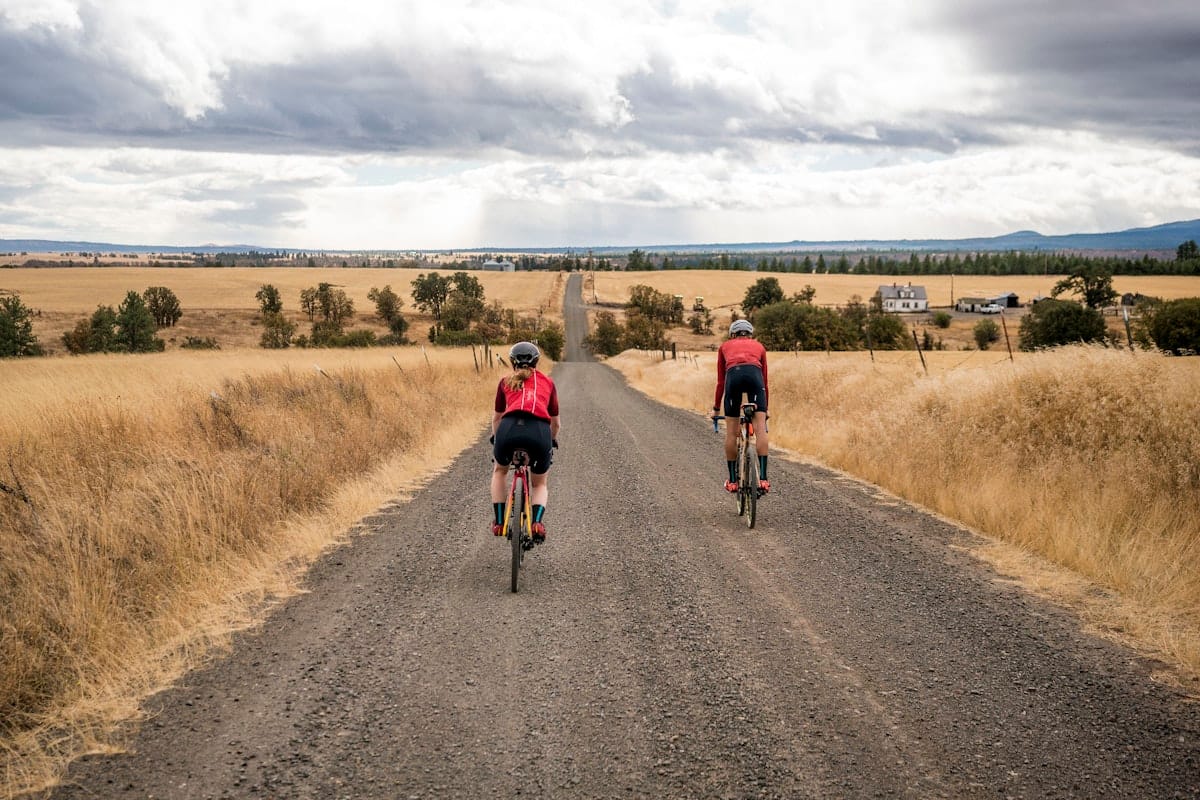
Three days navigating the Strade Bianche on 40mm tyres, chasing the fading light through Chianti.
There is a specific sound that gravel makes in Tuscany. Not the sharp crack of flint, nor the dull thud of packed dirt. It is a rhythmic, almost musical crunch that echoes off the low stone walls lining the vineyards.
- Distance — 124 km
- Elevation gain — 2,450 m
- Surface — 60% gravel · 40% tarmac
- Recommended tyres — 40 – 45 mm
We started out early from Siena, the morning air still sharp with spring chill. The plan was straightforward enough: 120 kilometres of the Strade Bianche, tracing the spine of the rolling hills toward Montalcino. Simple on paper. The reality of Tuscan topography, however, is that there is no flat. You are either grinding upward at 15% or holding on for dear life on a dusty descent.
“The white roads don’t just test your legs. They test your resolve — and ask for a respect that asphalt never demands.”
By midday, the chill had burned off, replaced by a glaring sun that turned the white chalky roads into blinding ribbons stretching across the landscape. The dust — that fine, inescapable white dust — coated our bikes, our kits, and the back of our throats. Every passing tractor sent up plumes that hung in the still air long after the engine noise faded.
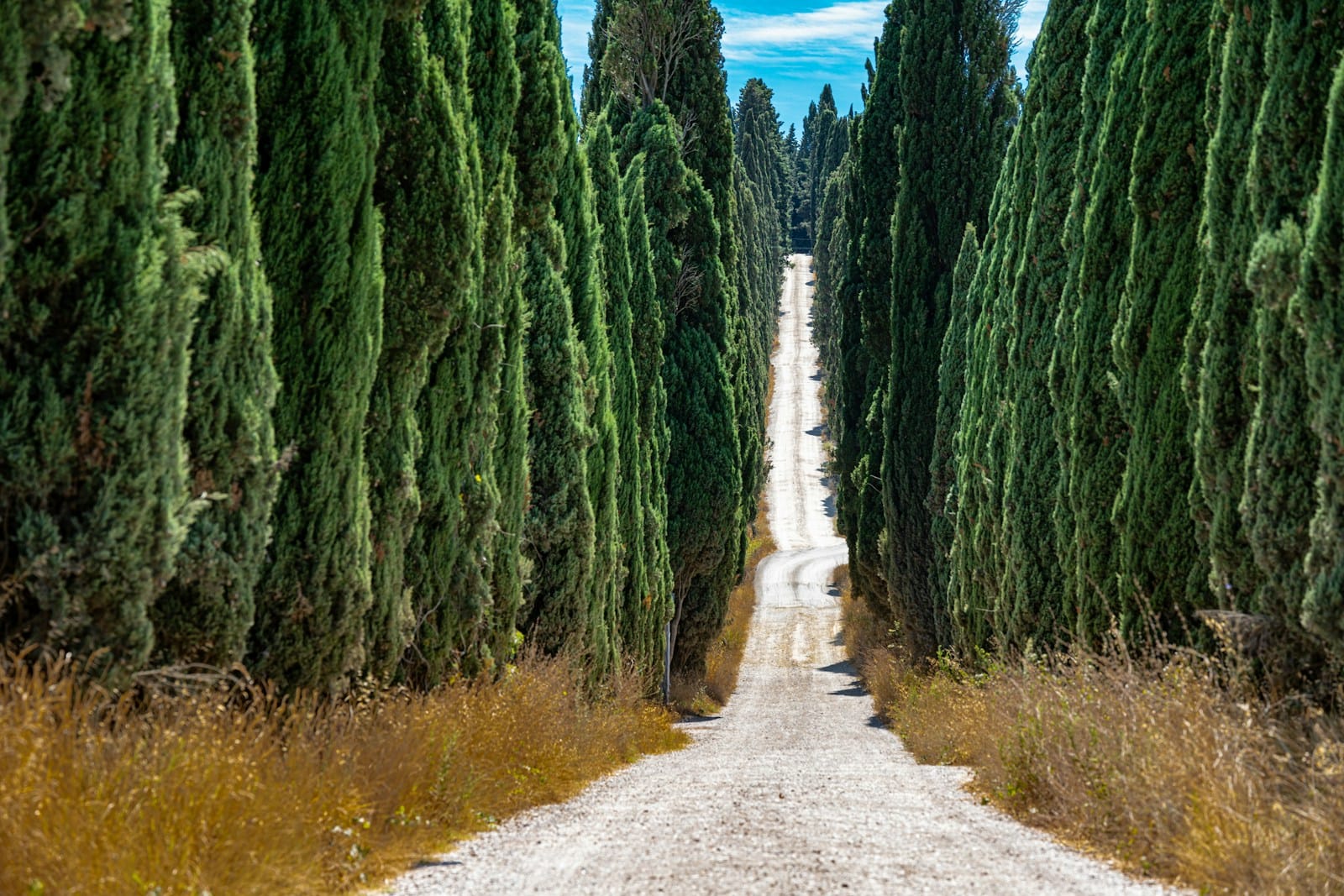
The Ascent to Montalcino
The final climb into Montalcino is a cruel joke played on tired legs. It pitches up sharply, the gravel deep and loose on the steeper corners. Traction becomes a delicate negotiation between weight distribution and pedal stroke. Stand up, and the rear wheel spins out. Sit down, and the front wanders.
But reaching the piazza at the top makes the suffering evaporate. The view stretches for miles — a patchwork of green and brown, dotted with ancient farmhouses. We ordered espressos, thick and bitter, and sat in silence watching the sun dip lower, casting long shadows across the landscape we had spent the day crossing.
What a supported Tuscany week includes
There are two ways to ride it with us. Guided means a small group, capped at ten riders per guide, with the guide navigating — so you ride with the group rather than your own line, and each day the guide hands you two route options to choose from. Self-guided gives you the full GPS route for Garmin, Wahoo and Komoot, and you set your own pace. Either way, the shape of the week is the same: six riding stages plus an optional rest-day loop in Chianti, seven nights in shared double rooms, seven breakfasts and three dinners, locked bike parking every night, a return bus transfer from Marina di Grosseto to Pisa airport, and a glass of sparkling wine to close.
Everyone gets the same support: experienced English-speaking guides, an evening briefing with maps and elevation profiles, and a support van carrying spares, a spare bike and your clothing bag. Mechanic help is included; spare parts come at cost. Your luggage moves hotel to hotel in the van and waits for you on arrival, and the van meets us most days at lunch with a free refill of PurePower energy drink (energy bars and chews available to buy). You also keep a Gravel-Adventure jersey, and we share an online photo album afterwards. More detail on how our tours work.
We run this route as a guided, hotel-to-hotel gravel tour with support vehicle, tested logistics, and the time to actually stop at the piazza. If you’d rather ride it with us, the Tuscany Gravel tour runs eight days, fully supported, with departures in September from €2,790.
Questions riders ask
What tyre size do you need for the Strade Bianche?
40–45 mm is the practical range. The white gravel is fine and chalky — grippy when dry, unpredictable when wet. Narrower tyres work, but you'll feel every loose corner on the descents. The route is 60% gravel, 40% tarmac, so there's no penalty for going wider.
How hard is the ride from Siena to Montalcino?
Honest answer: relentless. There is no flat in Tuscany. The 124 km route carries 2,450 m of climbing with no long recovery stretches. The final ramp into Montalcino is steep and loose. It suits experienced gravel riders comfortable with long days — not a route for building fitness on.
Can I ride the Tuscany gravel roads on a supported tour?
Yes. Our Tuscany Gravel Tour covers 460–615 km over 8 days, including the Strade Bianche, with guides, a support vehicle, and hotel accommodation throughout. It runs as a guided tour or GPS self-guided. September 2026 departure from €2,790.
Planning a gravel week of your own?