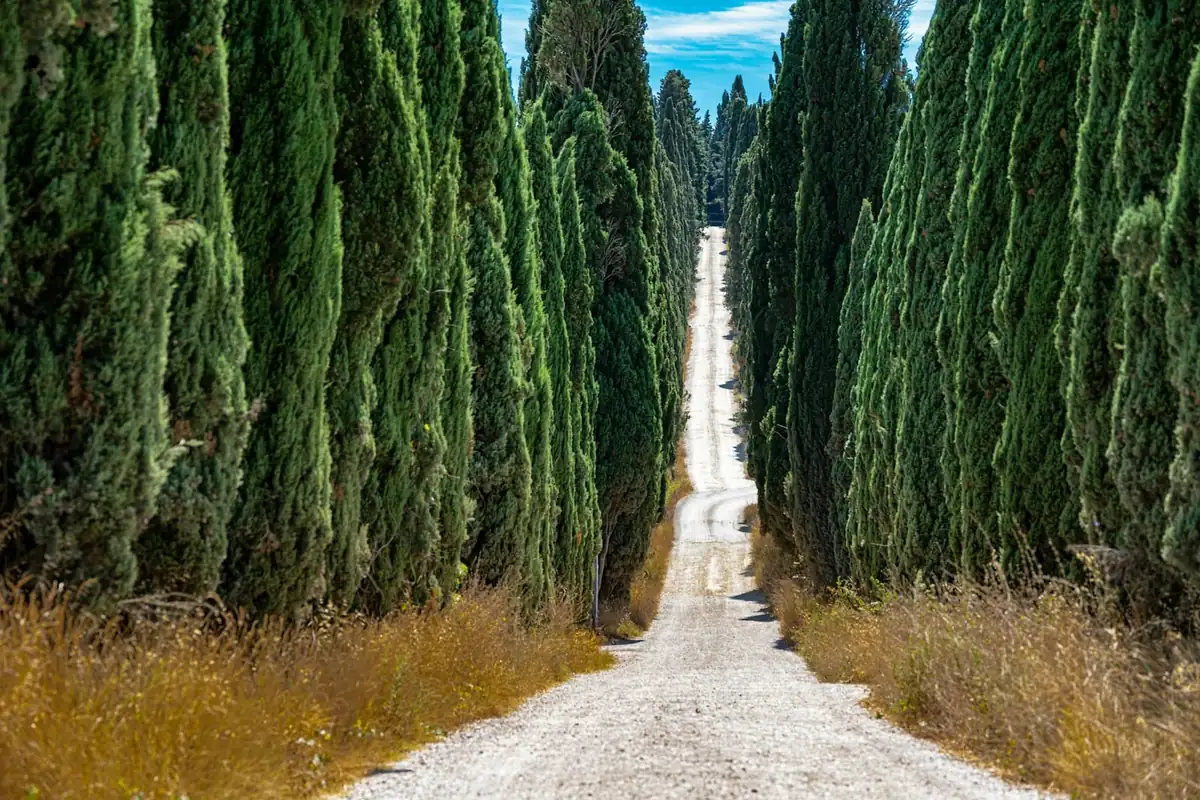
Zona Zero: The Gravel Playground Before the Pyrenees' Hardest Days
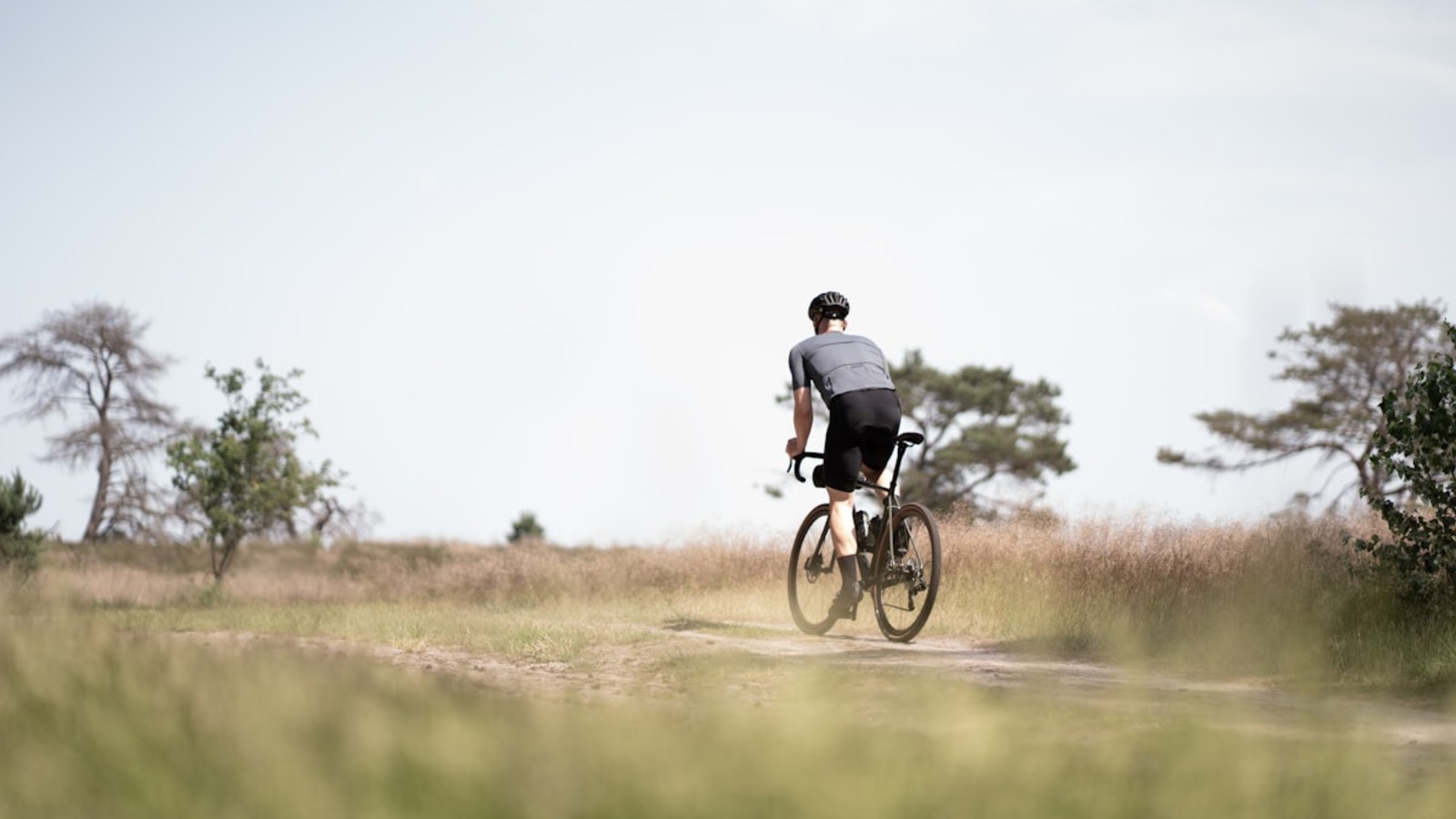
Ask a Spanish mountain biker where to ride for a long weekend, and the Pyrenees come up quickly, but not always by range. Often it’s a place name first: Aínsa, or more precisely, Zona Zero — the stretch of trail-laced hill country around the town that’s built a reputation well beyond the Sobrarbe district it sits in. On the Trans Pyrenees Gravel crossing, you reach the edge of it on day five, and then you stop for a day, right before the two hardest stages of the whole week.
That’s an unusual piece of route design worth explaining on its own terms — not just as a stage in a longer itinerary, but as the hinge the entire second half of the traverse turns on.
A region with its own name
Most of the ground this tour crosses is simply the Pyrenees — green here, dry there, high somewhere else. Zona Zero is different: it’s a specific, named gravel and mountain-bike destination, the kind of place that shows up on a rider’s list the way a ski resort shows up on a skier’s. Spanish off-road cyclists have been riding the trail network here for years, and it has become one of the country’s recognised hubs for the sport, on the strength of its terrain rather than any single famous climb.
You don’t ride the heart of that network on this tour — the signed enduro and downhill lines are a different sport on different bikes. What day five gives you is the character of the place: flowing singletrack-adjacent gravel, a classic three-stage climb, and a surface that rewards reading the ground rather than just pushing power into it. It’s 86 km with 1,750 m of climbing, Jaca to Aínsa, and it’s the day the route shifts from the high, dry roads out of Jaca into something looser and more playful underfoot.
Aínsa, at the edge of the trail network
The stage ends in a town worth the slow approach. Aínsa sits on a ridge above the meeting of two rivers, its old quarter built around an arcaded medieval plaza and stone streets — one of the better-preserved hill towns in this part of Aragón, and a proper reward after a day on rough ground.
It’s also, not coincidentally, the practical base for the Zona Zero scene: bike shops, guides and riders passing through on their own trips, a town whose economy has grown up partly around people arriving with bikes on their cars. You feel that on arrival — more bike racks outside more cafés than you’d expect from a town this size.
Why the rest day sits exactly here
Look at the stages either side of Aínsa and the placement stops looking like a convenient midpoint and starts looking deliberate.
Day seven, Aínsa to El Pont de Suert, is the hardest stage of the entire crossing — 96 km and 2,900 m of climbing, one of the longest single climbs of the route, with the Monte Perdido massif and the limestone walls of Ordesa visible to the north as you work your way up. Day eight to La Seu d’Urgell is the longest by distance, 118 km with 2,000 m of ascent, a day that asks for pacing and patience rather than raw climbing legs.
Put a demanding day five directly before those two and you’re asking riders to front-load fatigue right where they need reserves. Put the rest day there instead, and day seven becomes something you ride on legs that have actually recovered — not legs that are simply a day older and hoping for the best. It’s the same logic every well-designed multi-day route uses: place recovery immediately before the hardest sustained effort, not immediately after the easiest day.
A full day off the bike does the obvious things — a spa for legs that have done three serious climbing days already, the old quarter to wander, time for the mechanical fettling the first half of a week like this tends to demand. The head guide can offer a short voluntary loop if the weather’s right and the group’s legs are twitchy, but most riders take the town at face value and sit still. Given what’s coming on day seven, that’s the right call far more often than not.
What the ground actually feels like
Don’t mistake “gravel playground” for “easy.” The three-stage climb on the approach to Aínsa is real work — 1,750 m over the day — and the terrain through the Zona Zero fringe rewards a lighter touch on the bars than the more straightforward fire-road climbing earlier in the week. Expect looser surfaces, more line choice, and a few stretches where picking the smooth strip through scattered stone matters more than raw power.
That’s consistent with what we ask of tyres and setup across the whole Trans Pyrenees route: a minimum 38 mm tyre, wider where your frame allows it, set up tubeless. Nothing about this stage changes that recommendation — it just makes you glad of it rather sooner than some of the Basque stages do.
Where this sits in the wider crossing
Zona Zero and the Aínsa rest day are the pivot of an eleven-day traverse that runs from San Sebastián on the Atlantic to Sant Pere Pescador on the Mediterranean — 780 km, 17,000 to 20,000 m of climbing, eight riding stages. The first days are wet, green Basque hill country; the days after Aínsa turn remote and high through Ordesa and the Noguera Ribagorzana valley, before the route eventually drops toward the Catalan coast.
Our full route guide, San Sebastián to Sant Pere Pescador: crossing the Pyrenees, lays out all eight stages in order. If you want the detail on exactly how to ride days seven and eight once you leave Aínsa rested, our pacing guide to the Trans Pyrenees covers the back-to-back hardest and longest stages on their own terms.
What the week includes
Ten nights in hotels and refuges chosen for location, including two nights in Aínsa around the rest day, ten breakfasts and four dinners, luggage transfer hotel to hotel on every stage, and a support vehicle carrying spares, a spare bike and a clothing bag, meeting the group most days at lunch with a free refill of PurePower energy drink. Guiding is in English with a maximum of ten riders per guide, and GPS routes for Garmin, Wahoo and Komoot are provided if you’d rather ride your own pace self-guided — both options follow the same hotels and the same support. A closing dinner at Sant Pere Pescador, a shared photo album, a Gravel-Adventure jersey and lifetime membership of the RIDERS network round out the week.
Full mechanics on how guided and self-guided both work are on how it works, and the general shape of a demanding week versus a lighter one is covered on levels.
Riding in on legs that are ready for it
The honest way to think about day five and the rest day that follows isn’t “the easy middle of the week.” It’s the last chance to arrive somewhere interesting before the route asks the most of you. Zona Zero gives you a genuinely different kind of riding for an afternoon, Aínsa gives you a proper town to recover in, and then day seven gives you the reason both of those things mattered.
We run the Trans Pyrenees Gravel tour in September, San Sebastián to Sant Pere Pescador — guided or self-guided, with the support vehicle carrying the rest.
Questions riders ask
What is Zona Zero?
Zona Zero is the name gravel and mountain bike riders in Spain give to the network of trails around Aínsa, in the Sobrarbe district of the Pyrenean foothills. It's one of the country's established hubs for off-road riding — the kind of place a rider from Madrid or Barcelona plans a long weekend around, not just somewhere you pass through. On the Trans Pyrenees Gravel route, you ride into the edge of it on day five.
Which stage of the Trans Pyrenees route goes through Zona Zero?
Day five, Jaca to Aínsa — 86 km with 1,750 m of climbing. It's a day of flow, gravel and a classic three-stage climb before lunch at the support van, and the Zona Zero terrain itself comes toward the end of the stage as you approach Aínsa.
Why is the rest day placed here and not somewhere else?
Because of what comes immediately after it. Day seven, Aínsa to El Pont de Suert, is the hardest stage of the whole crossing at 2,900 m of climbing, and day eight to La Seu d'Urgell is the longest at 118 km. A full day off the bike between day five and day seven means you ride both of them on legs that have actually recovered, not legs that are merely a day older.
What is there to do in Aínsa on the rest day?
Aínsa is a near-perfect medieval hill town — an arcaded stone plaza and narrow streets on a ridge above where two rivers meet. There's a spa for tired legs, the old quarter to walk, and time for any bike maintenance the first half of the week has asked for. The head guide can offer a short voluntary loop depending on weather and how the group feels, but most riders are glad to just sit still for a day.
Do I need technical mountain-bike skills to ride through Zona Zero on a gravel bike?
No. The route takes gravel roads and doubletrack at the edge of the network, not the signed enduro and downhill trails the area is best known for among mountain bikers. A minimum 38 mm tyre, set up tubeless, is what the terrain actually asks of you — the same standard we recommend for the whole Trans Pyrenees crossing.
Planning a gravel week of your own?