What to Pack for a Multi-Day Gravel Tour: A Practical Guide
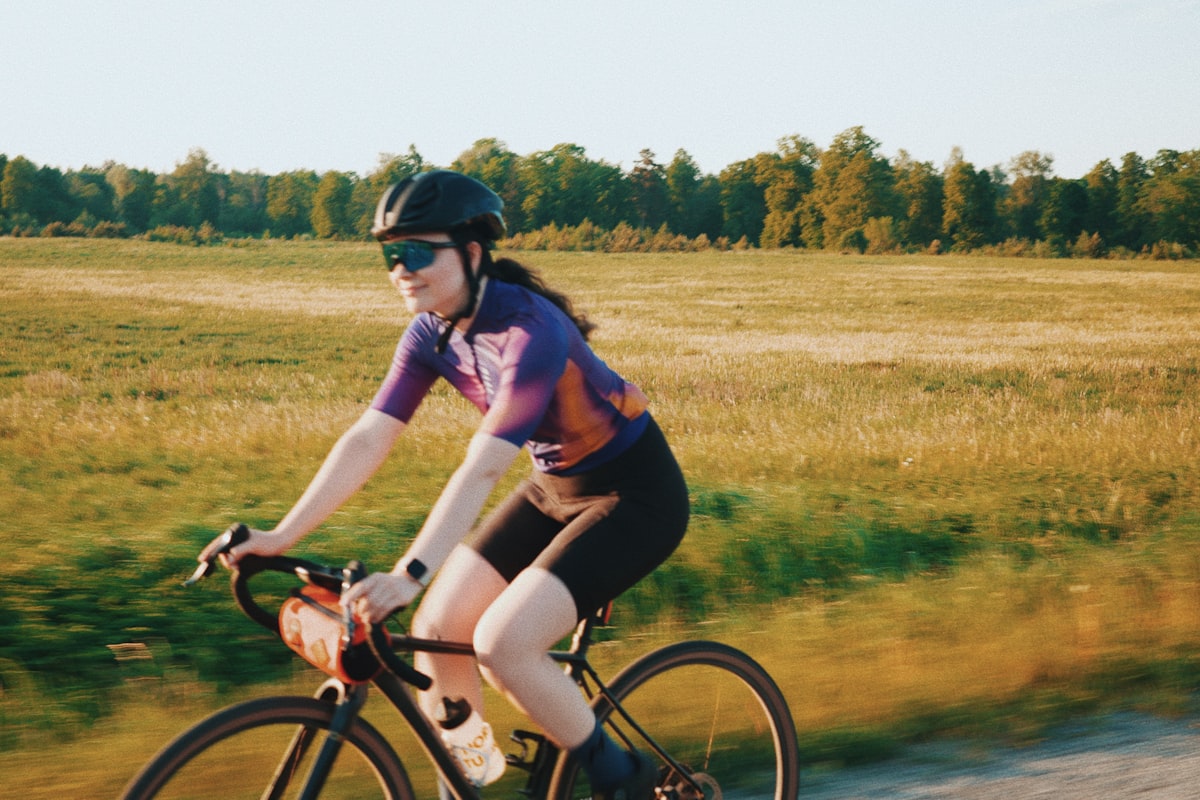
There is a specific failure mode for packing. It begins with the reasonable logic that since you have luggage support, weight does not matter. By day two you are regretting every extra item — the books you didn’t read, the extra pair of trousers, the jacket that was “just in case.” On a gravel tour, even with a support vehicle, the quality of your kit matters more than the quantity of it.
On the Bike
What you carry on the bike each day is what matters. A rucksack with spare tubes, a pump, snacks, sun protection, and a rain layer sits lightly at 2–3 kg. Lighter is better, but function beats minimalism. You will flat. You will get hungry. Sun reflection on white gravel roads is real.
A small bag behind the saddle or a frame pack works better than a backpack on multi-hour rides. Your shoulders will thank you. Keep it to essentials: the stuff you use every day, nothing more. The support van carries everything else — it meets the group most days at lunch (a chance to change kit and refill your energy drink free of charge (energy bars and chews available to buy)), and your main bag travels in it hotel to hotel for you to collect on arrival.
“The support vehicle removes the weight problem. It does not remove the need to think carefully about what you actually use.”
In the Luggage
For a week, plan three to four cycling kits. Hotels offer laundry or you can hand-wash — a wet kit from a rain day takes time to dry, and riding in damp chamois padding is genuinely unpleasant. One additional kit gives you options. One casual outfit for evenings and travel days is sufficient: comfortable trousers and a shirt you don’t mind being seen in. Avoid overpacking the “just in case” outfits.
Layering matters more than variety. A lightweight base layer that dries fast. A mid-layer fleece or merino wool for chill mornings. A packable rain shell. Shoes: cycling shoes for riding, one pair of walking shoes for towns and evenings. That covers the range. Do not pack two pairs of “formal” cycling kits. You do not need them.
Kit summary
- Cycling kits — 3–4 sets (one per day + spare)
- Casual clothes — 1 outfit (evenings + travel days)
- Shoes — 2 pairs (cycling + casual walking)
- Rain/wind layers — 1 each (packable)
Every Gravel Adventure tour comes with detailed kit guidance tailored to the destination. What you need for October in the Algarve differs from what you need for September in Scotland. Browse our tours to see routes tested and logistics handled.
Questions riders ask
How many cycling kits do I need for a week-long gravel tour?
Three to four is comfortable. Hotels typically offer laundry service or you can hand-wash, so you do not need one kit per day. A spare kit is sensible — not for extra changes but because a wet kit from a rain day takes time to dry, and riding in a damp chamois is unpleasant.
Should I bring my own tools on a supported gravel tour?
Basic roadside kit — a pump, two tubes, a multitool, and a couple of tyre levers — is worth carrying in your daily rucksack regardless. The support vehicle carries a full tool kit, but if you puncture five kilometres ahead of the vehicle, you want to be self-sufficient. Anything beyond basic repairs is handled by the crew.
What shoes work best for a hotel-to-hotel gravel tour?
Gravel shoes with walkable soles make daily life much easier. You will spend time in towns, restaurants, and hotels — cycling shoes that clip-clop on cobblestones get old quickly. Shoes compatible with SPD-style pedals and a recessed cleat are practical. Bring one pair of comfortable off-bike shoes for evenings.
Planning a gravel week of your own?