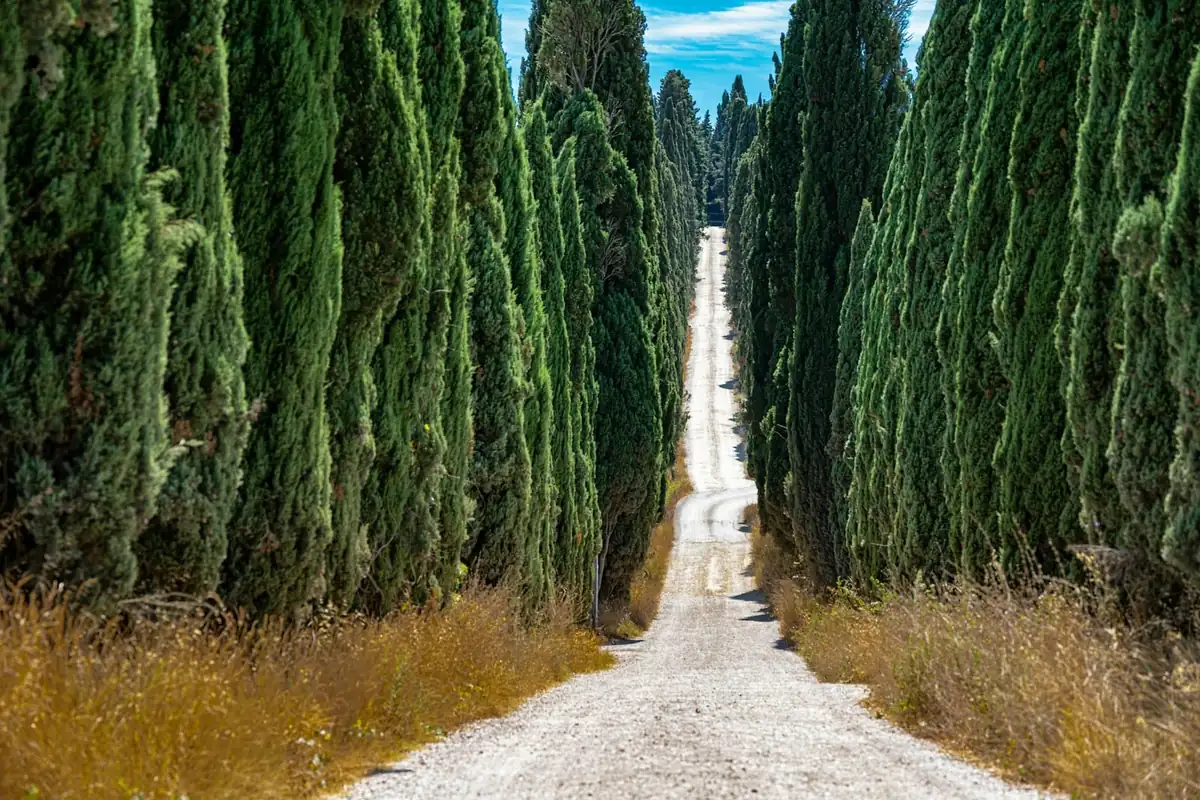
Gravel Cycling in Portugal's Algarve: Riding the Coast and Countryside of Southern Portugal
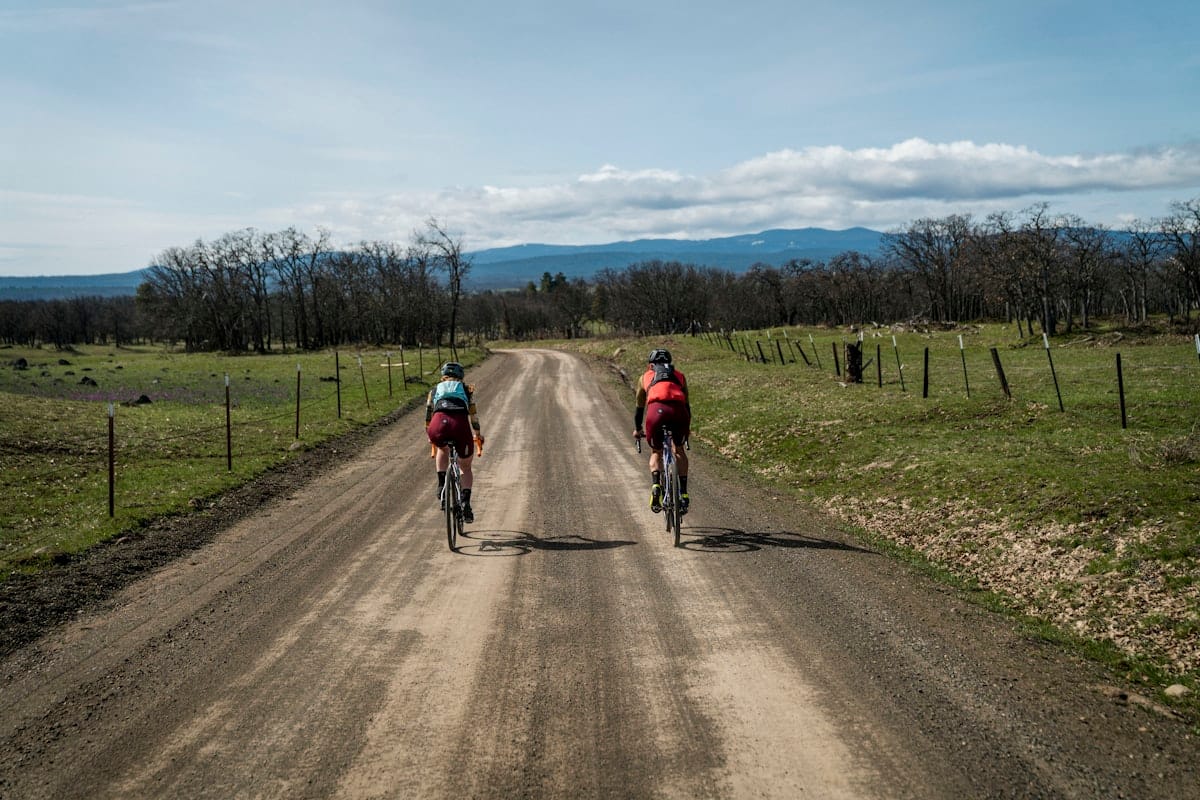
Eight days tracing the coast of southern Portugal, from Lagos to Sagres, where golden cliffs meet Atlantic wind and endless gravel roads.
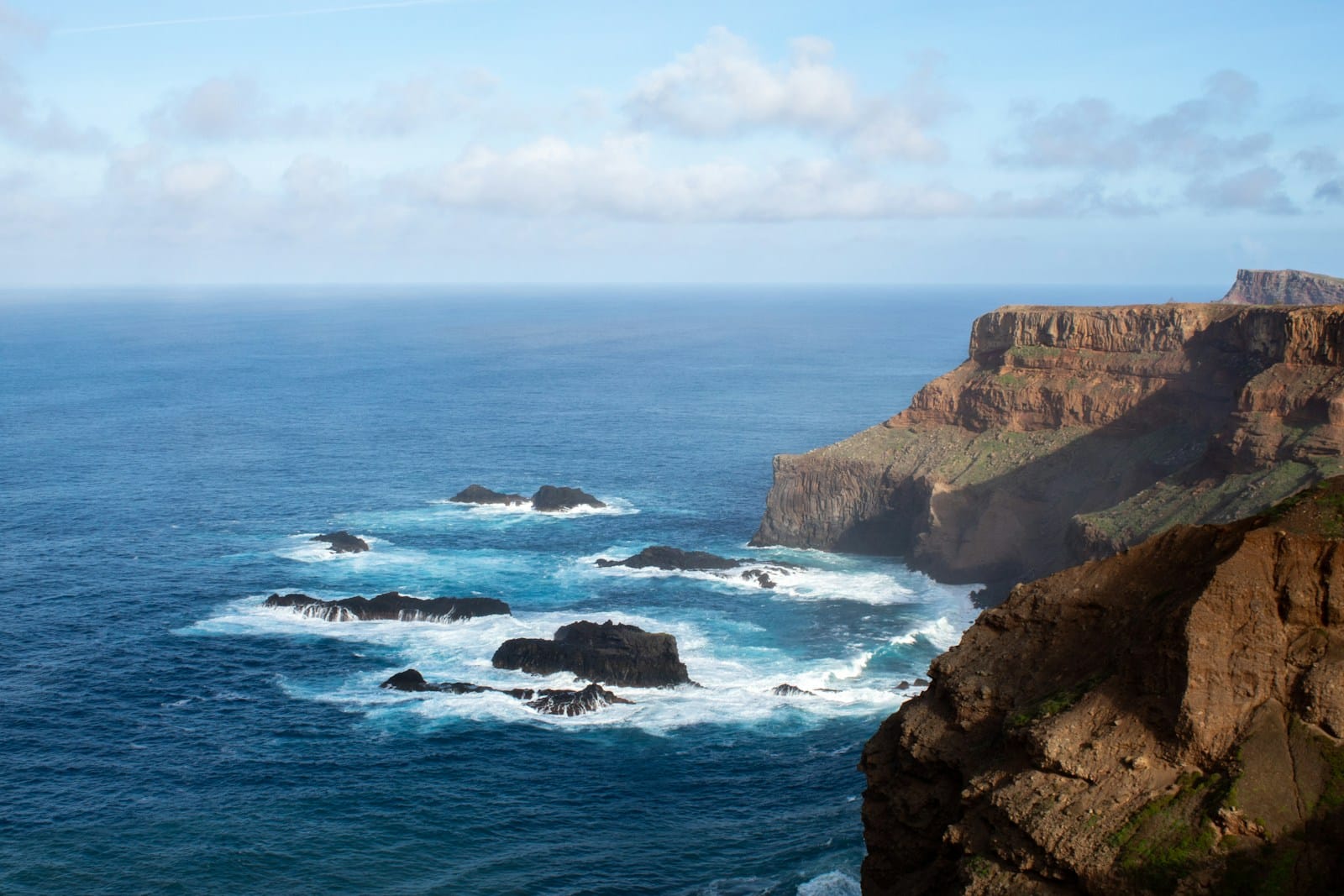
The Algarve does not feel like the rest of Europe. The landscape is sunburned and ancient, the roads wind close to cliffs that drop into impossible blue, and the gravel roads are firm, fast, and rarely crowded.
This is where Portugal’s south coast reveals itself to those patient enough to leave the main roads. The Trans Algarve route runs from Tavira in the east to Sagres in the west, tracing a path that follows the coast while dipping inland through cork forests and limestone plateaus. It is a route that builds daily, but never breaks you — a rare quality in eight-day tours.
“The Algarve teaches patience. Long, steady days under a hot sun, with water views that shift every few kilometres and the knowledge that you’re riding the edge of a continent.”
October is the perfect window. The summer heat has eased, but the sun is still generous. The roads are dry, and the light — that particular golden light that hits the red soil and the white limestone — makes every climb feel worthwhile.
Climbing Out of Lagos
The first day out of Lagos tests the legs and sets the rhythm. The climbs are steep but short, carved into terrain that rises sharply from the beach. By afternoon, you’re inland, surrounded by cork oak plantations and the quiet that comes with leaving the tourist roads behind.
The route rewards early starts. An alarm set for 6 am means you’ll be climbing through the cool morning hours and reaching your daily distance by early evening, leaving time to explore the towns you pass through — Silves, Tavira, and finally Sagres, where the landscape opens out to the Atlantic.
Route details
- Distance: 300 – 350 km
- Elevation gain: 2,800 m
- Surface: 75% gravel · 25% tarmac
- Recommended tyres: 38 – 42 mm
What a supported Algarve week includes
You can ride the Algarve in one of two ways. Guided keeps the group together: a guide navigates and sets the line, so you ride with everyone rather than your own file, with a maximum of ten riders per guide. Self-guided hands you the full GPS route for Garmin, Wahoo and Komoot, and you ride at your own pace.
The week itself is five riding stages from Tavira to Sagres, with seven hotel nights in shared double rooms, seven breakfasts and three dinners, including a closing dinner in Sagres. Shared transfers connect you to and from Faro airport.
Every rider has the same support behind them:
- Experienced English-speaking guides and an evening briefing with maps and elevation profiles.
- A support vehicle carrying spares, a spare bike and a clothing bag; mechanic help is included, spare parts only at cost.
- Luggage moved hotel-to-hotel in the van, which you collect at the hotel, plus the van meeting the group most days at lunch with a free refill of PurePower energy drink (energy bars and chews available to buy).
- A Gravel-Adventure jersey and a shared online photo album.
You can read more about how all of this fits together on our how our tours work page.
Trans Algarve Gravel Tour — 8 days, fully supported
We run the Algarve route as a guided, hotel-to-hotel gravel tour with experienced guides, support vehicle, and accommodation throughout. Departures in October 2026. From €2,695. See the full Trans Algarve Gravel tour for the itinerary and what’s included.
Questions riders ask
What is the daily distance on the Algarve route?
Daily distances range from 35 to 55 km, with most days landing around 40–50 km. The route is designed for steady progress rather than race pace. The terrain builds gradually — early days are flatter as you leave the coast, and later days introduce longer climbs inland.
What is the surface quality of the Algarve gravel roads?
The Algarve has excellent gravel roads — firm, well-maintained limestone and packed earth with minimal dust. The surfaces are faster than many alpine gravel routes, which means narrower tyres work well here. 38–42 mm is ideal; wider tyres are not necessary.
When is the best time to ride the Algarve?
October is ideal — warm but not scorching, dry roads, and the southern light at its best. April and May are also good, though slightly cooler. Summer (June–August) is too hot for long days on exposed roads. November can be wet, and winter roads are sometimes muddy.
Planning a gravel week of your own?