Gravel Cycling in the Alps: A Guide to the Trans Alp Gravel Route
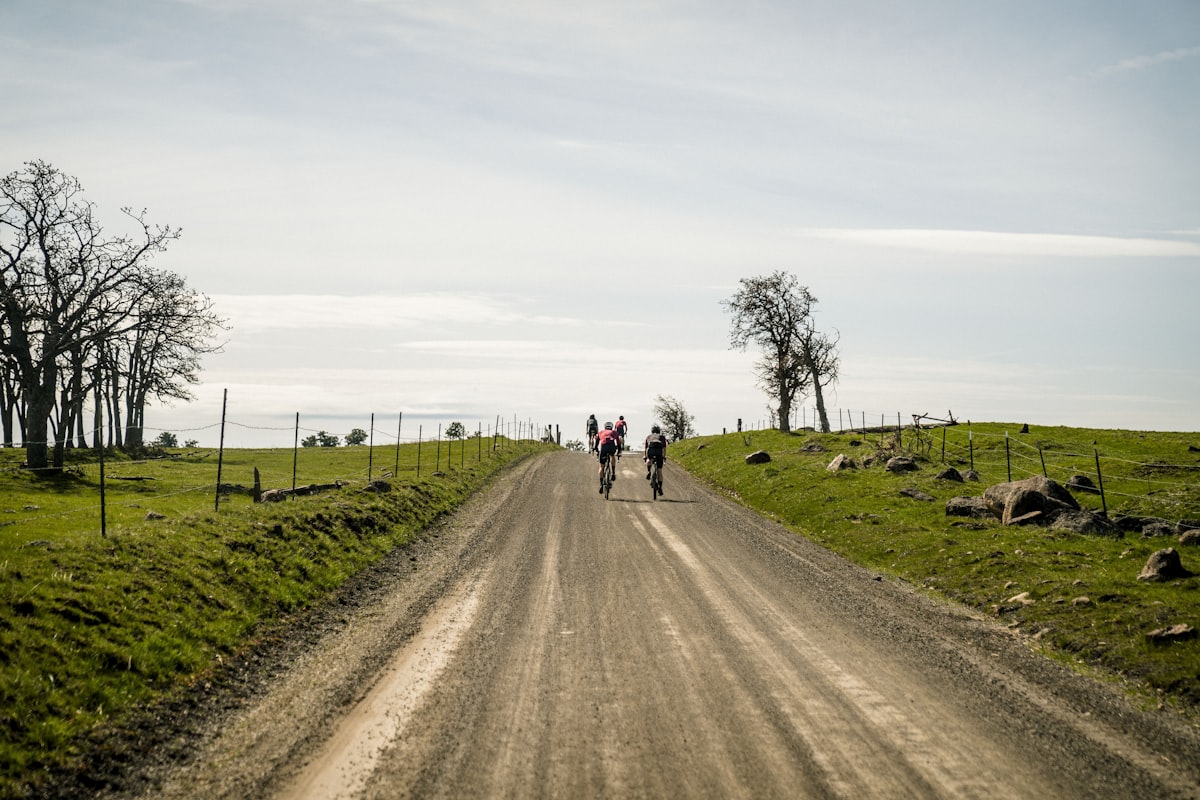
The Alps demand respect from any cyclist, but riding them on gravel is a different discipline entirely. There is no coasting. There is no hiding in a peloton. It is you, your bike, and mountains that have been worn smooth by centuries of weather.
The Trans Alp Gravel route is not a race route, and it is not a “gravel adventure” in the casual sense. It is eight days of serious climbing at altitude, of descents on loose gravel where a mistake costs time and confidence, and of views that make every metre of elevation gain feel worth it.
“The Alps on gravel are honest. The mountain doesn’t care how strong you are on asphalt. It only cares that you show up, day after day, and keep pedalling.”
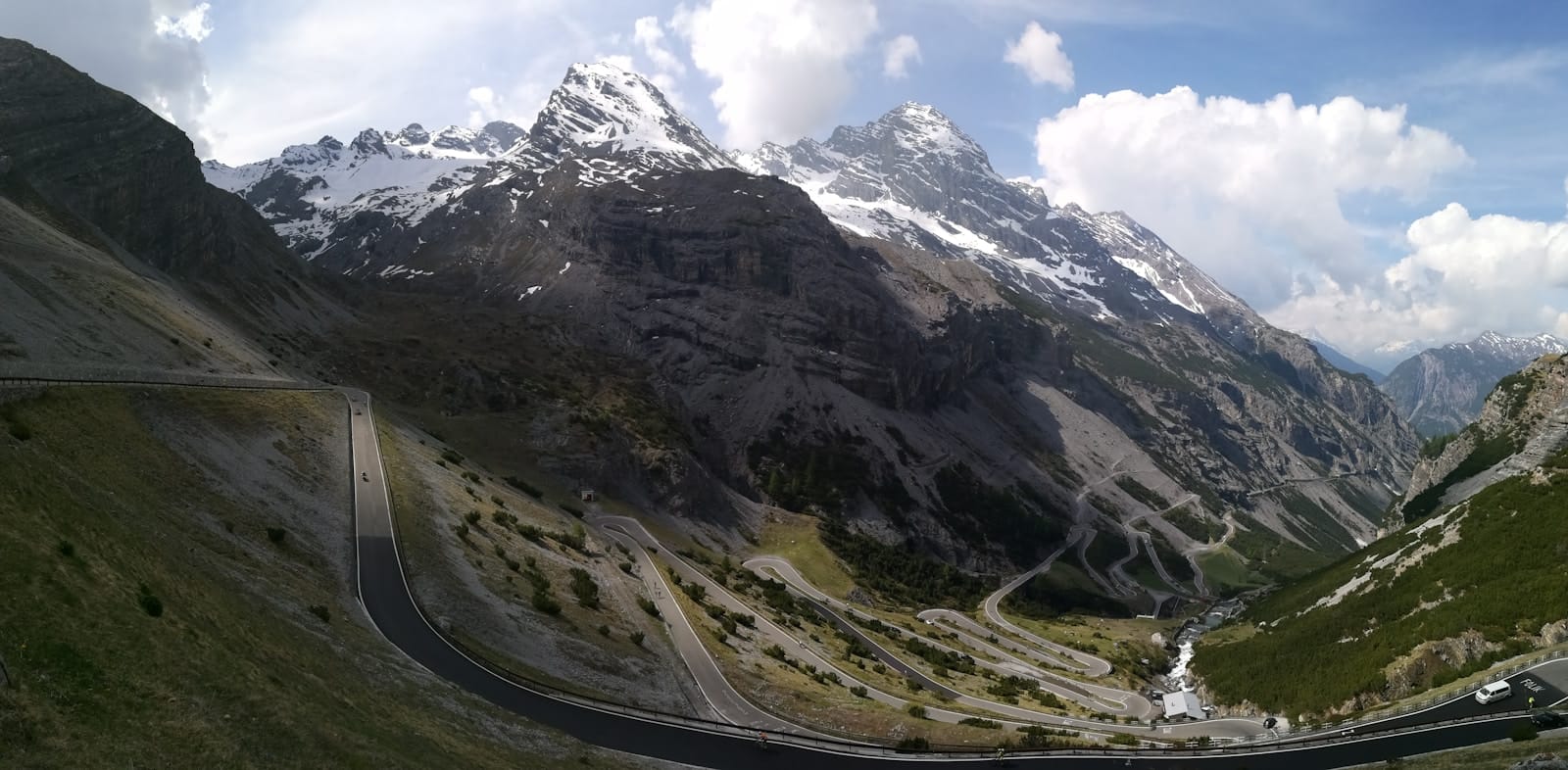
Most of the route follows established gravel roads — old military routes, forestry tracks, and mountain passes that have been used by cyclists for decades. But there are sections where the gravel is genuine: loose, steep, and requiring focus. The Stelvio descent is a classic — 2,758 metres of switchbacks on firm gravel, where 40mm tyres make all the difference.
The Stelvio: A Test of Skill
If the Stelvio had been asphalt, it would be one of Europe’s most famous climbs. At 2,758 metres, with 48 hairpin turns, it is a legendary test of endurance. On gravel, it becomes something else: a test of technical skill and bike handling. The climb is sustained — 24 km of nearly constant pedalling — and the descent demands attention.
Most riders ride the Stelvio as part of a shorter stage. On the Trans Alp, it comes in the middle of the route, when fitness is high but fatigue is beginning to settle in the legs. The mental aspect matters as much as the physical. You need to believe you can do it — and the route is designed so that you can.
Route details
- Distance — 380–440 km
- Elevation gain — 11,500 m
- Surface — 55% gravel · 45% tarmac
- Recommended tyres — 38–42 mm
What a supported Trans Alp week includes
There are two ways to ride it. Guided means you ride with the group behind an experienced, English-speaking guide who handles the navigation, so you can keep your eyes on the trail rather than your screen — we cap it at ten riders per guide. Self-guided means you take the full GPS route for Garmin, Wahoo and Komoot and set your own pace. Either way the week is the same shape: an intro day, five riding stages and a rest day, with seven hotel nights in shared double rooms, seven breakfasts and six dinners, a return bus transfer from Lake Garda back to Füssen, and a gala dinner in Riva del Garda.
The support stays the same for everyone. You get a daily briefing and a support vehicle carrying spares, a spare bike and a clothing bag — the crew helps with mechanical work, and any spare parts are charged at cost. Your luggage moves hotel to hotel in the van for you to collect on arrival, and most days the van meets the group at lunch with a free refill of PurePower energy drink (energy bars and chews available to buy). A Gravel-Adventure jersey and a shared online photo album round it out. If you want the full picture before booking, here is how our tours work.
Questions riders ask
How high do the Alpine passes go on the Trans Alp?
The highest point is the Stelvio Pass at 2,758 metres. Most other major passes sit between 2,200 and 2,500 metres. The route is designed to acclimatise you gradually — the first few days are lower altitude, and the major passes come in the middle and latter stages when fitness is established.
Is the Alpine gravel surface loose or packed?
It varies. Most established mountain passes and forestry roads are well-packed and fast. Higher passes can be looser, especially on descents where scree and loose shale appear. The Stelvio descent is firm-to-loose angular gravel — challenging but rideable on 40mm tyres. Carrying 38–42mm width gives you flexibility across all conditions.
Can you do the Trans Alp as a guided or self-guided tour?
Yes, both. The guided version includes experienced guides who know the routes, the support vehicle, and accommodation. The self-guided version uses GPS navigation with waypoint files. Both versions include hotel booking and luggage transport. Guides are invaluable on the technical Alpine sections — especially the Stelvio descent if you're new to gravel riding at altitude.
Planning a gravel week of your own?