Gravel bike suspension fork: do you need one for a tour?
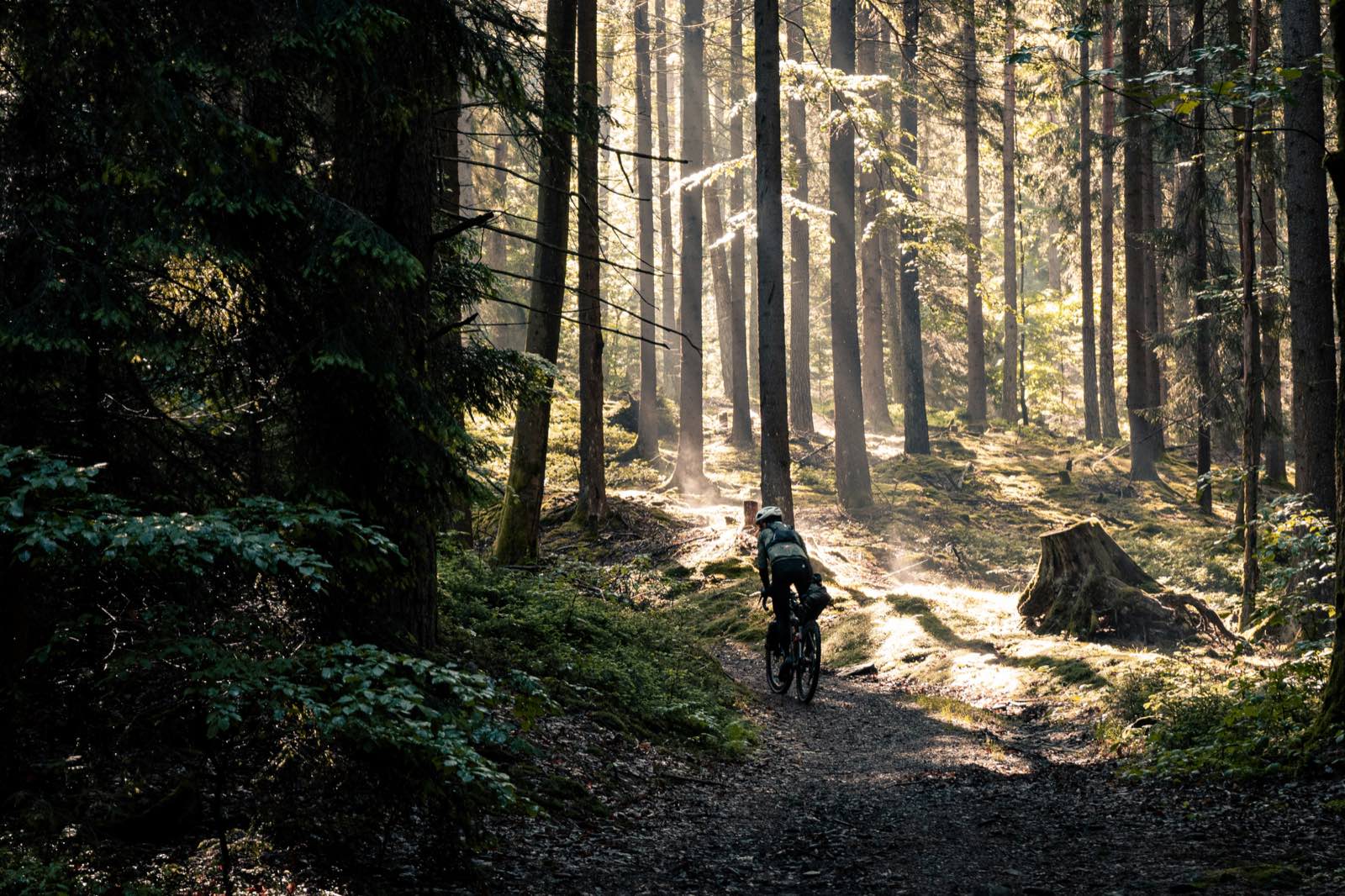
There are long descents on our Pyrenean week, off high ground onto broken forest gravel, where you can watch the group sort itself out by hand strength rather than fitness. Riders who were climbing comfortably an hour earlier start shaking their hands out one at a time, changing grip position every thirty seconds, sitting up to give their wrists a break. Nobody is in trouble. Everybody is being slowly worn down by a surface that never quite settles.
Those descents are the best argument for gravel suspension we know. It is also, once you look at what is actually happening, the best argument for spending the money on tyres instead.
The gravel bike suspension fork is spreading, and for a subset of riders on a subset of terrain it is a genuine improvement. For most riders on a supported multi-day tour, it is the third or fourth most effective thing they could change, and the first three are much cheaper. This is an honest look at where the line falls, because it is a question we get asked more often every season and the marketing is not helping anyone answer it.
Why the gravel bike suspension fork is spreading now
Two forces are pushing in the same direction.
The first is that gravel riding has got rougher. As the category matured, riders went looking for terrain that a road bike genuinely could not do, and route designers — ourselves included — followed. The surfaces people ride on a modern gravel bike are harsher than the ones the first gravel bikes were designed for.
The second is that the frames ran out of room to help. Frame and fork compliance — flex designed into the seatstays, the seatpost, the fork blades — was the industry’s first answer to comfort, and it works, up to a point. That point is roughly where the movement you need exceeds what a structural component can provide without becoming a structural problem. Past it, the only way to get more is a device whose job is to move.
So the offering has broadened. Short-travel gravel forks with 30–50 mm of travel, suspension stems, suspension seatposts and headset-level suspension systems are all more available and more normal than they were a few years ago, and some new adventure gravel bikes now ship with a fork fitted.
That is a real trend. Whether it is a trend that should change what you bring on a gravel holiday is a separate question.
What actually tires you out over six consecutive days
This is the part that gets skipped, and it decides the answer.
There are two different things happening when a bike hits rough ground, and they call for different solutions.
Big, discrete impacts — a rock ledge, a drainage bar across a track, a pothole in a fast descent. These are what suspension is designed for, and it handles them far better than anything else. A fork absorbs the hit, keeps the wheel on the ground, and lets you carry speed and control through terrain that would otherwise deflect you.
Continuous high-frequency vibration — corrugation, embedded stone, coarse chip, the general buzz of a surface that is never smooth and never dramatic. This is what actually accumulates over a week. It is not exciting, it does not appear in any video, and it is the reason riders’ hands stop working on day four.
On our routes, the second dominates. None of our seven weeks is built around mountain-bike features like drops or rock gardens. What there is, in abundance, is hour after hour of surface buzz.
And vibration is a tyre problem before it is a suspension problem. A fork’s seals and bushings have friction, which makes it less responsive to small, rapid bumps than to big hits; the tyre, at the right pressure, deals with that buzz continuously and for free. This is why riders who fit a fork and keep running their tyres at near-road pressure are often disappointed. They have bought a solution to the wrong problem.
The three options, honestly compared
Rigid fork — the default, and still the right answer for most
What it is: what your bike almost certainly has.
What it does well: it is light, it is silent, it needs nothing, and it cannot fail in a way that ends your week. Combined with a genuinely wide tyre at a genuinely sensible pressure, it is comfortable enough for six consecutive days for the large majority of riders we take out.
What it does badly: repeated big hits. On a long, broken descent it transmits everything to your hands, and it lets the front wheel skip across successive edges rather than tracking them.
Best for: almost everyone, on almost every route we run, provided the tyres are right.
Suspension stem — 20 mm at the bar, cheap and specific
What it is: a stem with a pivot and elastomers or springs, giving up to about 20 mm of movement at the handlebar.
What it does well: it isolates your hands and wrists from buzz, which is exactly the fatigue mechanism described above. It adds roughly 100 g or so over a normal stem, needs little maintenance, and costs a fraction of a fork. For a rider whose only complaint is hand numbness, it is a well-targeted fix.
What it does badly: nothing for traction. The wheel still skips; only your hands are protected. Some riders dislike the vagueness of a bar that moves relative to the front wheel, particularly when climbing out of the saddle. It also changes your reach and stack slightly, so fit needs rechecking.
Best for: riders with a specific hand, wrist or neck issue, who descend conservatively, and who do not want the weight or the servicing of a fork.
Suspension fork — 30–50 mm, the real thing
What it is: a short-travel telescopic fork, usually air-sprung, sometimes with a lockout.
What it does well: control. It keeps the front tyre in contact with the ground over successive hits, which means grip and steering keep working on exactly the descents where a rigid fork starts skipping. On a long, rough descent it is not a small difference. It also takes the sting out of the impacts that a tyre cannot fully absorb.
What it does badly:
- Weight: roughly 700–900 g over a typical rigid carbon fork. Across 8,000–9,200 metres of climbing on the Trans Alp, that is felt, if not decisive.
- Maintenance: lower-leg services at short intervals (50 hours is a common recommendation) and fuller damper and spring services less often. Fine for a single tour week if you arrive freshly serviced; a problem if you do not.
- Mounting points — many gravel forks lose the three-pack cargo mounts and some mudguard fittings of the rigid fork they replace.
- Failure mode: the van carries spare parts, tools and a spare bike, but do not count on seals or damper internals for your particular fork. A rigid fork that develops a problem is an unusual event; a neglected suspension fork that starts weeping oil on day two is not.
- Cost — enough that the same money spent on wheels and tyres would, for most riders, buy a bigger improvement.
Best for: riders on the roughest routes who descend actively and fast, riders coming from mountain biking who value front-end control, and riders whose hands genuinely will not tolerate a week otherwise.
The one most people should consider first: a suspension seatpost
It is not a front-end solution, so it sits outside the fork-versus-rigid framing, but it deserves a mention because in our experience it is the best comfort per euro of the lot for consecutive days.
Roughly 20–35 mm of travel at the saddle depending on the design, typically a few hundred grams over a standard post at most, little maintenance, no effect on steering, and it addresses the other place a week’s vibration accumulates: your lower back and sit bones. Check that it suits your frame’s seatpost diameter and leaves enough post in the frame at your saddle height. Riders who finish a Pyrenean or South African week sore usually report their back before their hands.
Where a fork would actually pay on our routes
Being specific, since the routes are not equally rough:
A fork is a defensible choice on:
- Trans Pyrenees Gravel: ten nights, eight stages, 780 km, 17,000–20,000 m of climbing. The long mountain descents on loose gravel are the strongest case for front suspension in our programme, and the length of the week means fatigue compounds further than anywhere else.
- Trans Cyprus Gravel: the rocky limestone tracks of the Troodos deliver more genuine impacts than most routes.
- Highlands Scotland Gravel: rough estate tracks and old military road, often wet. Check the fork’s mudguard mounts first, though; Scotland is the route where you most want mudguards.
A fork is largely unnecessary on:
- Tuscany Gravel: the strade bianche are firm and fast when dry. A fork here is weight you carry up 5,000–9,950 m of climbing for very little return.
- Trans Algarve Gravel: dry trails through cork-oak hills, loose in places, rarely harsh.
- Trans Alp Gravel: the surfaces are mostly good; it is the climbing that defines the week, which argues for saving the weight.
- South Africa Gravel: this one surprises people. The long passes are corrugated and stony, and much of that is buzz rather than big hits. Wide tubeless tyres at the right pressure do most of the work here, and they also deal with the thorns.
Do these five things before you buy any suspension
If your complaint is hand numbness, wrist ache or a back that is finished by day five, work through this list first. In our experience it resolves the problem for most riders, and it costs less than a stem.
- Drop your tyre pressure by 0.2–0.3 bar. The most common single cause of a harsh gravel bike is a rider running road pressures. Our gravel tyre width and pressure guide has starting points by weight.
- Fit wider tyres if the frame allows. In our experience, going from 42 mm to 48 mm changes the character of a bike more than a suspension stem does.
- Raise the front end. A spacer under the stem or a shorter stem moves weight off your hands. It is free and it is the change riders resist most and benefit from most.
- Fit thicker bar tape, or a gel underlay. Genuinely effective against buzz, costs very little, weighs nothing.
- Check bar width and hood angle. Bars that are too narrow load the wrists badly over long days, and hoods rotated a few degrees can be the whole problem.
If you have done all five and the last hour of a long descent still finishes your hands, then the suspension conversation is a real one — and at that point we would point you at a suspension stem or a seatpost before a fork, unless you also want the descending control.
What our format changes
Because the support van carries your luggage between hotels and meets the group most days at lunch, you ride a light bike carrying only the day’s food, layers and tools. That makes the weight penalty of a fork more noticeable proportionally, not less — there is no heavy load for it to be a small percentage of.
It also means the fork’s lost mounting points cost you little. You are not running fork cargo cages on a supported week.
And it means help is close. The crew help with repairs, the van carries spare parts and a spare bike, and parts are available at cost. What the van cannot do is service a suspension fork mid-week. If you bring one, have it serviced before you fly — that is the whole of the additional preparation, and it is not optional. Our preparation guide covers the rest of the pre-tour checklist, and how it works explains what the van does and does not carry.
The practical recommendation
For a rider choosing today, without a specific medical reason, riding any of our seven routes:
- Start rigid. Fit the widest tyre your frame properly takes, run it tubeless at a sensible pressure, and raise your front end until six hours is genuinely comfortable.
- Add a suspension seatpost if consecutive days leave your lower back complaining. Best return per euro and per gram in this whole article.
- Add a suspension stem if the complaint is specifically hands and wrists, and you descend conservatively.
- Consider a short-travel fork only if you are riding the Pyrenees, Cyprus or Scotland, you descend fast and actively, and you are willing to service it before you travel.
The trend towards gravel suspension is real, and in a few years the calculation may look different: the forks are getting lighter and better. Today, on the roads we ride, the tyre is still doing most of the work.
Not sure whether your setup will hold up?
This is one of the more genuinely individual questions in bike setup, because it depends on how you descend, what your hands are like after five hours, and which week you have chosen.
Tell us what you ride, what has hurt on your longest days, and which route you are considering. We will tell you honestly whether we would fit anything at all — and most of the time the answer involves a tyre lever rather than a credit card.
The long mountain descents on the Trans Pyrenees are where you find out, and the rest day in Aínsa is where you appreciate having got it right.
Questions riders ask
Do I need a suspension fork for a gravel cycling holiday?
Most riders do not. On our routes, the fatigue that builds over six consecutive days comes far more from continuous high-frequency vibration than from occasional big hits, and tyre volume at the right pressure deals with vibration more cheaply, more reliably and with less weight than a fork does. A short-travel suspension fork is genuinely worth considering if you are riding the roughest routes, if you descend hard and want the control, or if you have a specific hand, wrist or neck issue that vibration aggravates. For everyone else, going from 42 mm to 48 mm tyres, if your frame clears them, will do much of what a fork would, for a fraction of the money.
What is the difference between a suspension fork, a suspension stem and a suspension seatpost?
A gravel suspension fork typically gives 30–50 mm of travel at the front wheel and is the only one of the three that improves grip and control, because it keeps the tyre in contact with the ground over successive hits. A suspension stem gives up to about 20 mm of movement at the handlebar: it isolates your hands from vibration but does nothing for the wheel, so it improves comfort without improving traction. A suspension seatpost gives roughly 20–35 mm at the saddle and, in our experience, is the best comfort per gram and per euro of the three over consecutive long days. They solve different problems and can be combined.
How much weight does a gravel suspension fork add?
Current gravel suspension forks weigh roughly 1.2–1.3 kg, so expect around 700–900 g more than a typical rigid carbon fork, plus any remote lockout. On a week with 8,000–9,200 metres of climbing, like our Trans Alp route, that is real but not decisive: roughly a full bottle carried all week. The more meaningful costs are maintenance and the fact that a fork is one more thing that can develop a problem far from a shop that stocks the parts.
Will a suspension fork need servicing during a week-long tour?
It should not, if it was serviced before you travelled. One major maker, for example, specifies a lower-leg service every 50 hours of riding and a damper and air-spring service every 200 hours; check your own fork's manual. A tour week of six riding days can add 30 hours or more, so arrive with a fresh lower-leg service rather than one that is nearly due. The support van carries spare parts, tools and a spare bike, and the crew help with repairs, but do not count on seals or damper parts for your particular fork. If you bring a fork, have it serviced before you fly.
Does a suspension fork make it harder to fit luggage or mudguards?
Often, yes. Many gravel suspension forks have fewer mounting points than the rigid fork they replace, so three-pack cargo mounts and some mudguard fittings disappear. On a supported tour this matters less than it would on a self-supported trip, because the van carries your luggage between hotels and you are only carrying the day's food, layers and tools. But if you had planned to run fork-leg cargo cages or full mudguards for a wet week in Scotland, check the fork's mounts before you buy it.
Is a suspension fork worth it for riders coming from mountain biking?
It often suits them, though not for the reason they expect. Experienced mountain bikers usually descend actively and carry more speed into rough ground, which is exactly where a fork earns its weight: it keeps the front tyre tracking instead of skipping. What surprises riders from that background more is how much of the comfort problem on a gravel week is buzz rather than impact, and how much of it a wide tyre at a sensibly low pressure solves on its own.
What should I do first if my hands go numb on long gravel days?
Before buying suspension of any kind, work through the cheap fixes in order: drop your tyre pressure by 0.2–0.3 bar, fit wider tyres if the frame allows, raise the front end with a spacer or a shorter stem so less weight sits on your hands, fit thicker bar tape or a gel underlay, and check your bar width and hood angle. Numbness on long days is usually a load and vibration problem with several small causes, and the combined effect of those five changes is larger than a suspension stem and costs far less.
Planning a gravel week of your own?